The EUROPEAN STEEL DESIGN AWARDS are given by ECCS to encourage the creative and outstanding use of steel in architecture and construction.
Outstanding design in steel construction emphasizes the many advantages of steel in construction, production, economy, environment and architecture.
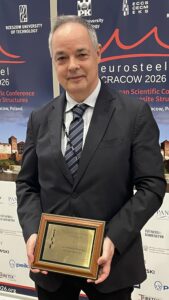
This year, from the 17 projects submitted in total by the ECCS member associations, the international expert jury selected 10 nominees. The overall winner ESDA 2026 Laureate, the National Awards and the Special Awards were disclosed during a reception held on 16 September 2026 in Cracow, in the frame of EUROSTEEL 2026, the 11th Scientific Conference on Steel and Composite Structures (https://eurosteel2026.org/).
European Steel Design Awards 2026 LAUREATE:
UK - Skelton Grange Energy from Waste Facility
Project owner
enfinium Skelton Grange Limited
Structural Engineering Firm
Doran Consulting
Architectural Firm
Weedon Architects Limited
General Contractor
Kanadevia Inova (formerly Hitachi Zosen Inova)
Steelwork Fabricator
Billington Structures Ltd
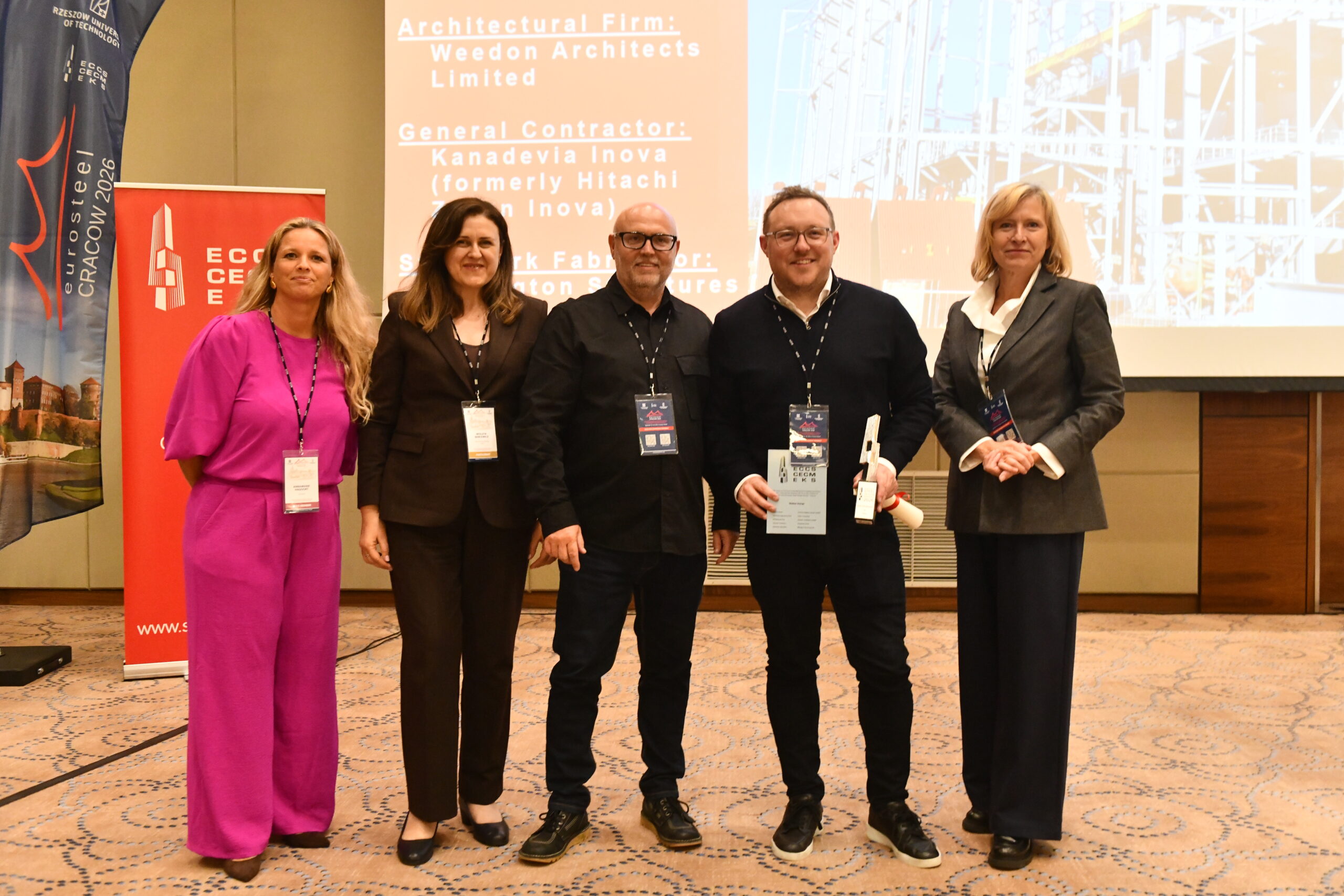
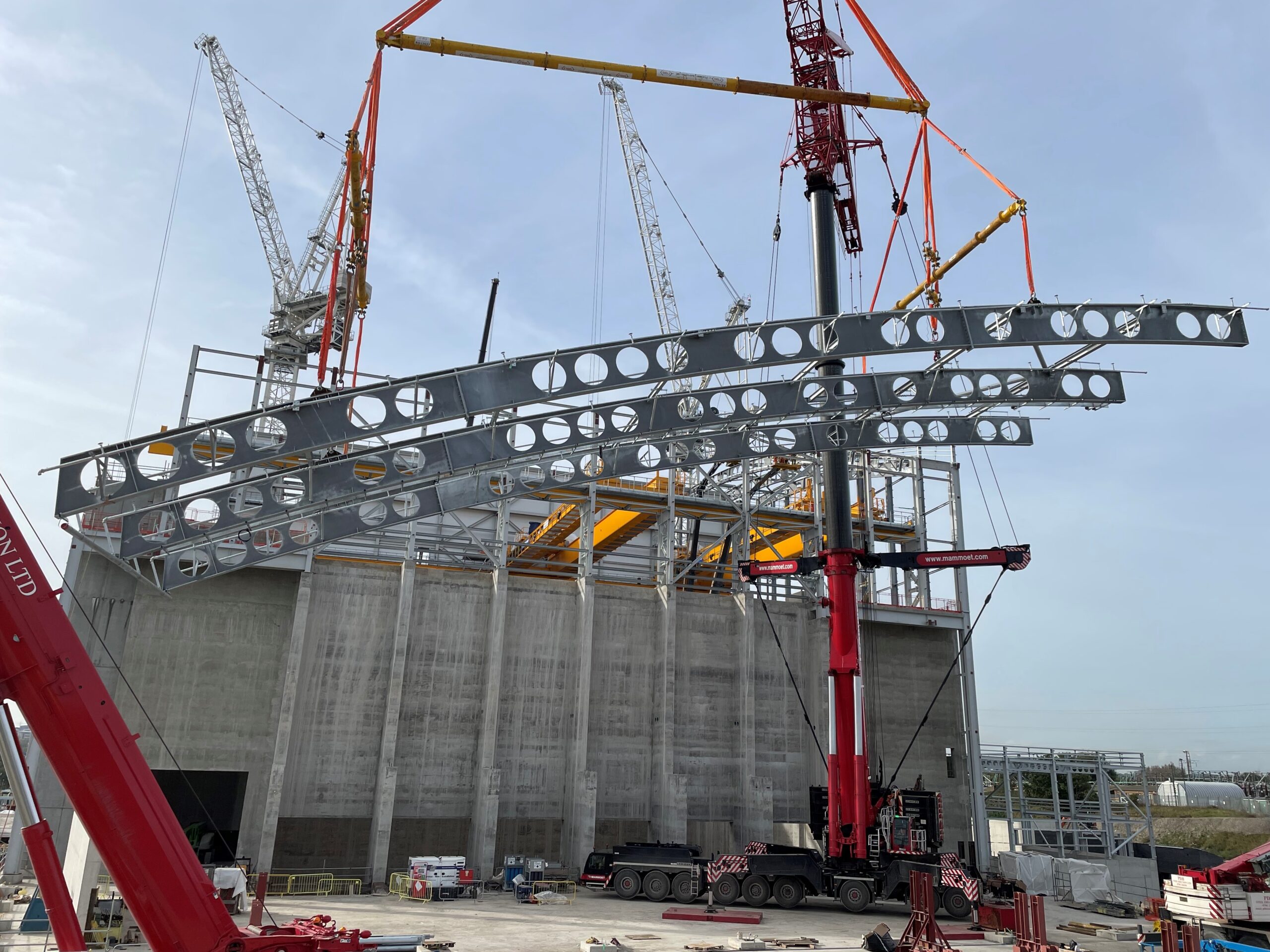
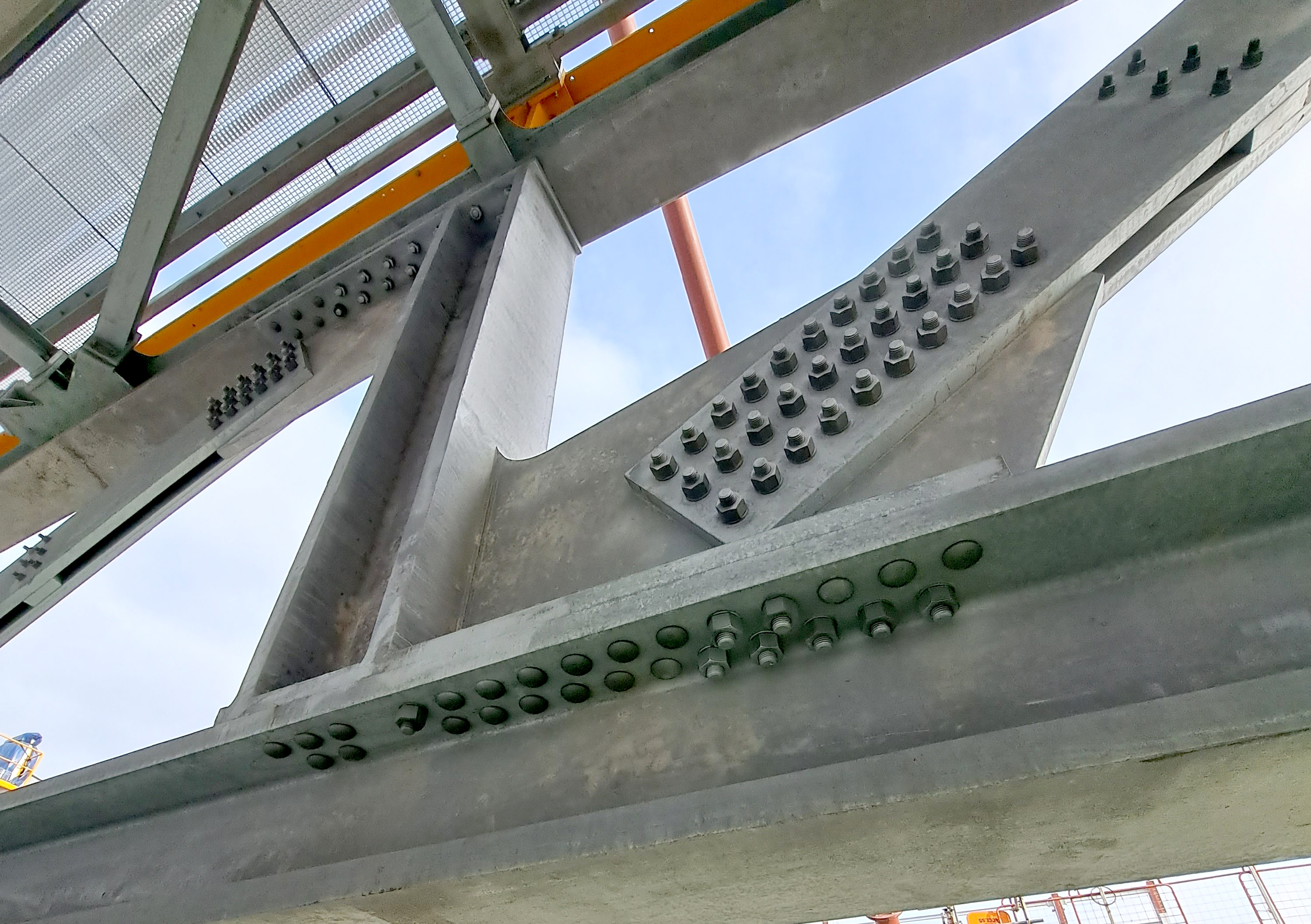
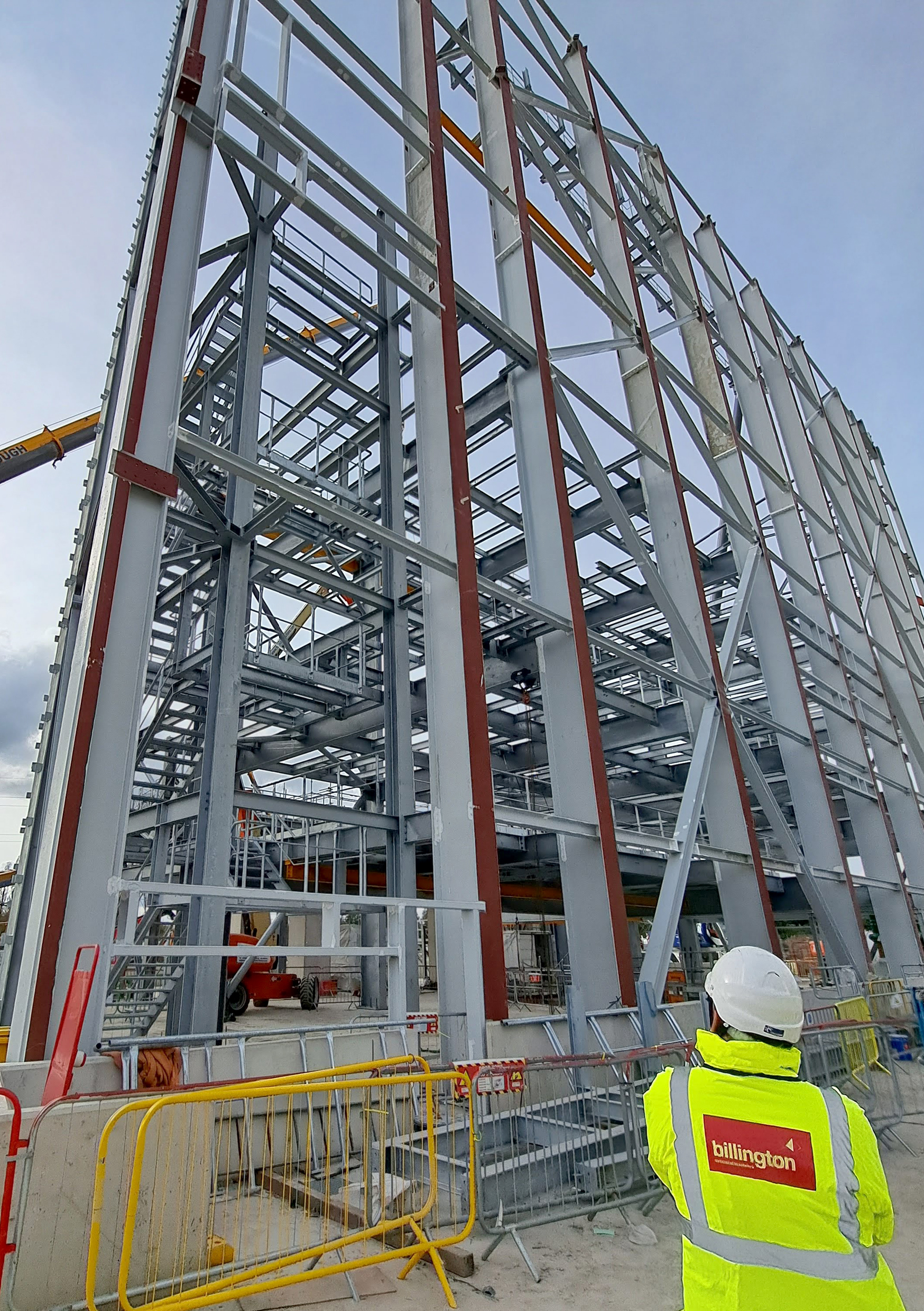
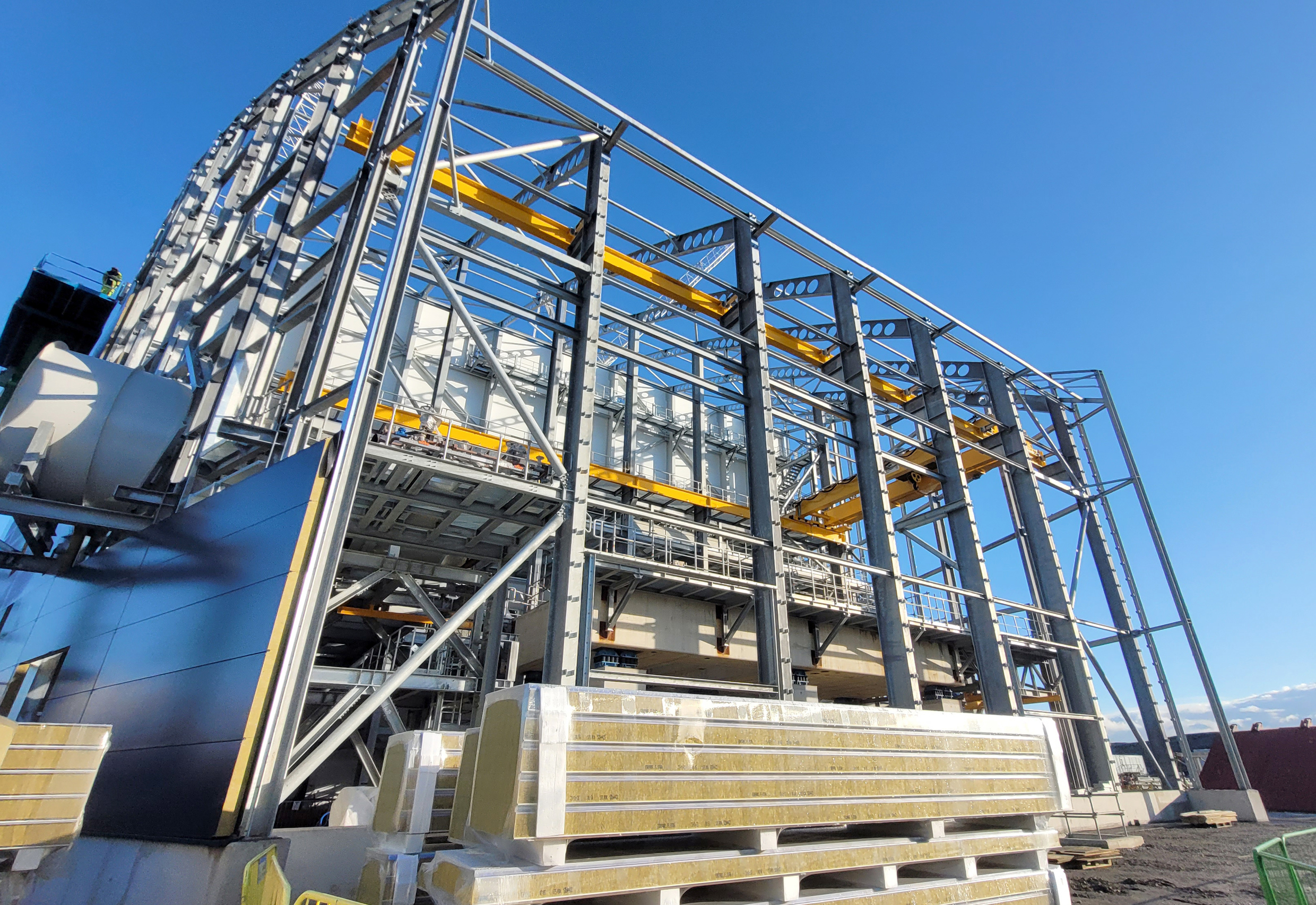
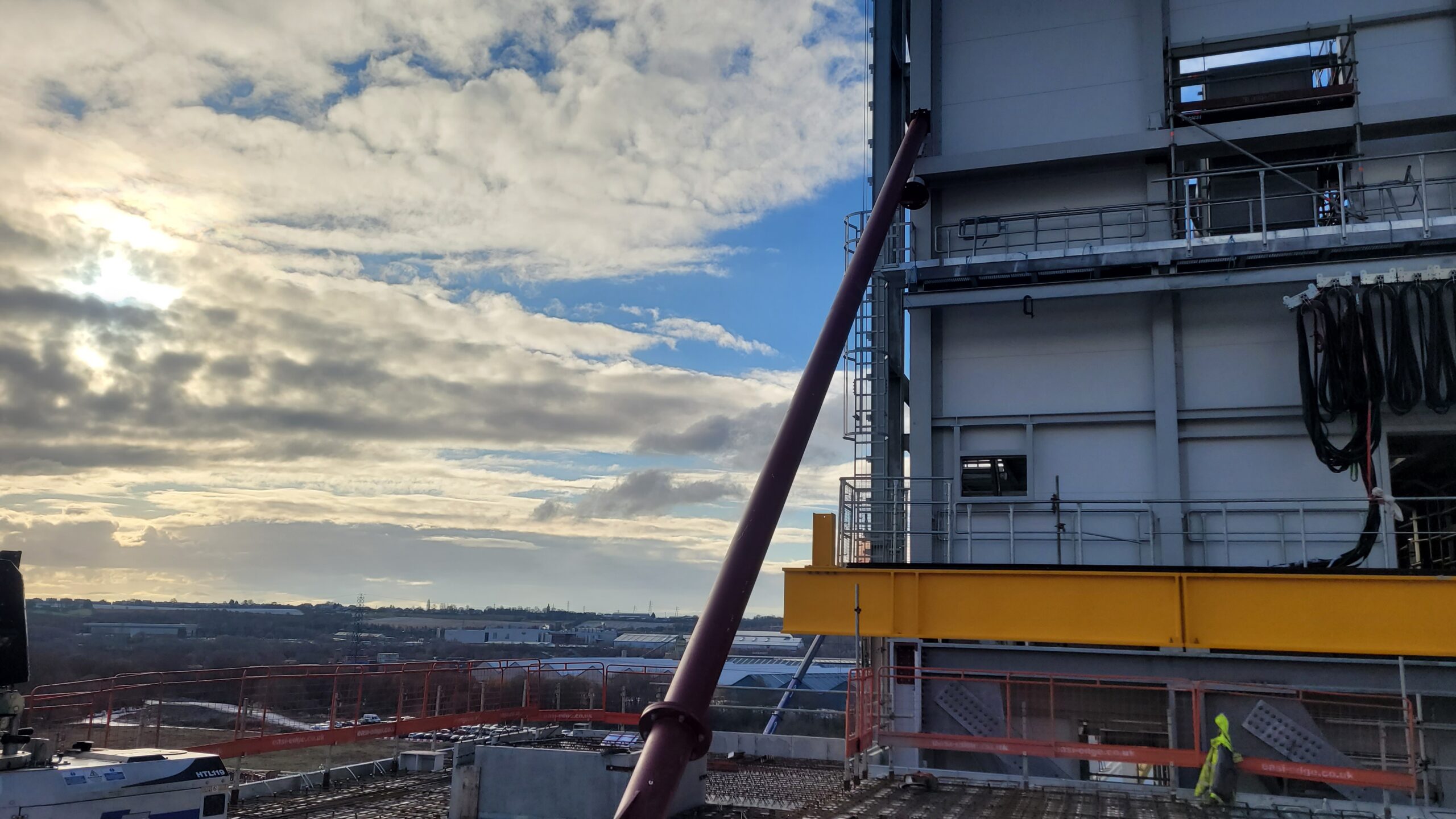
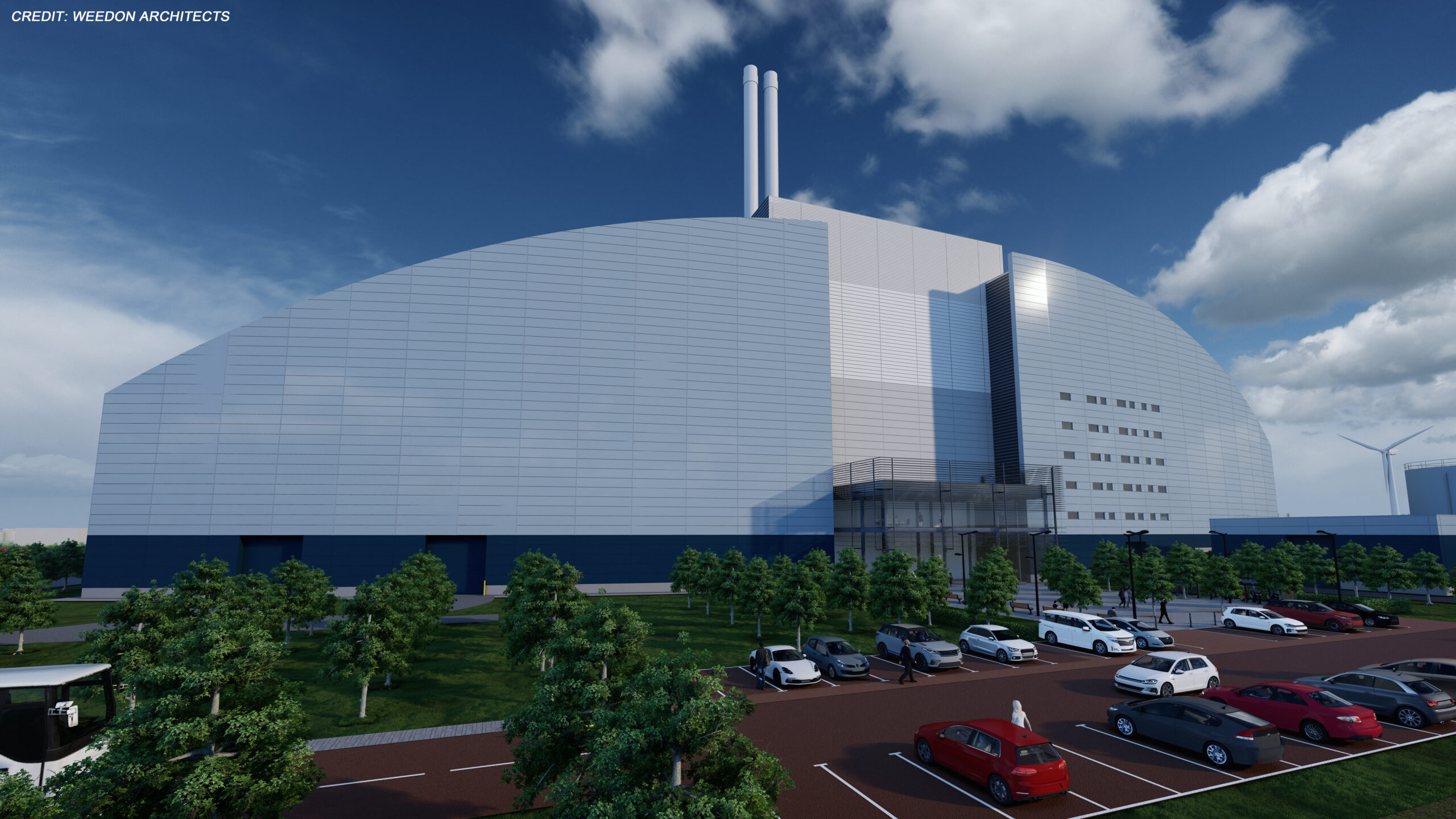
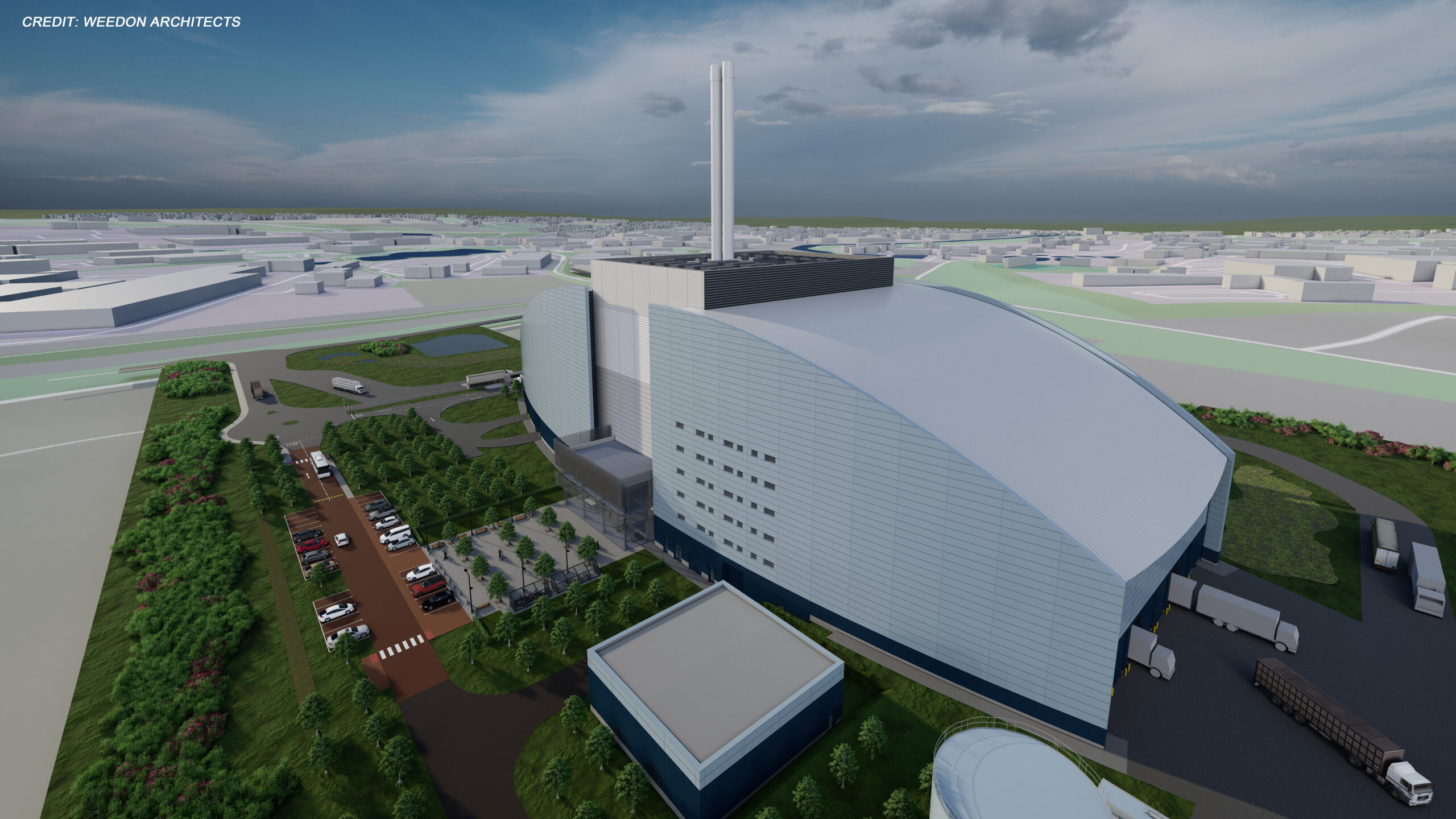
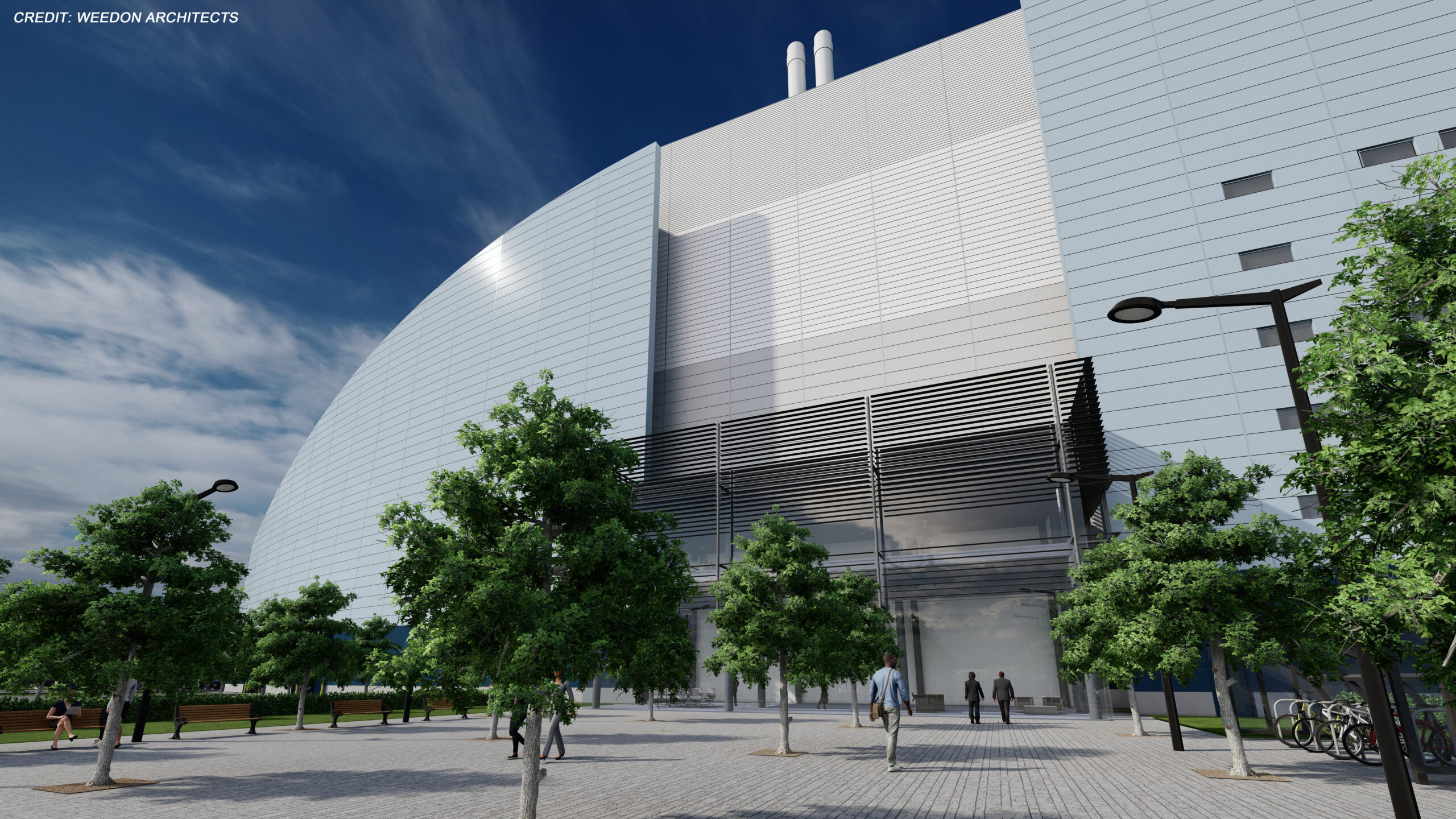
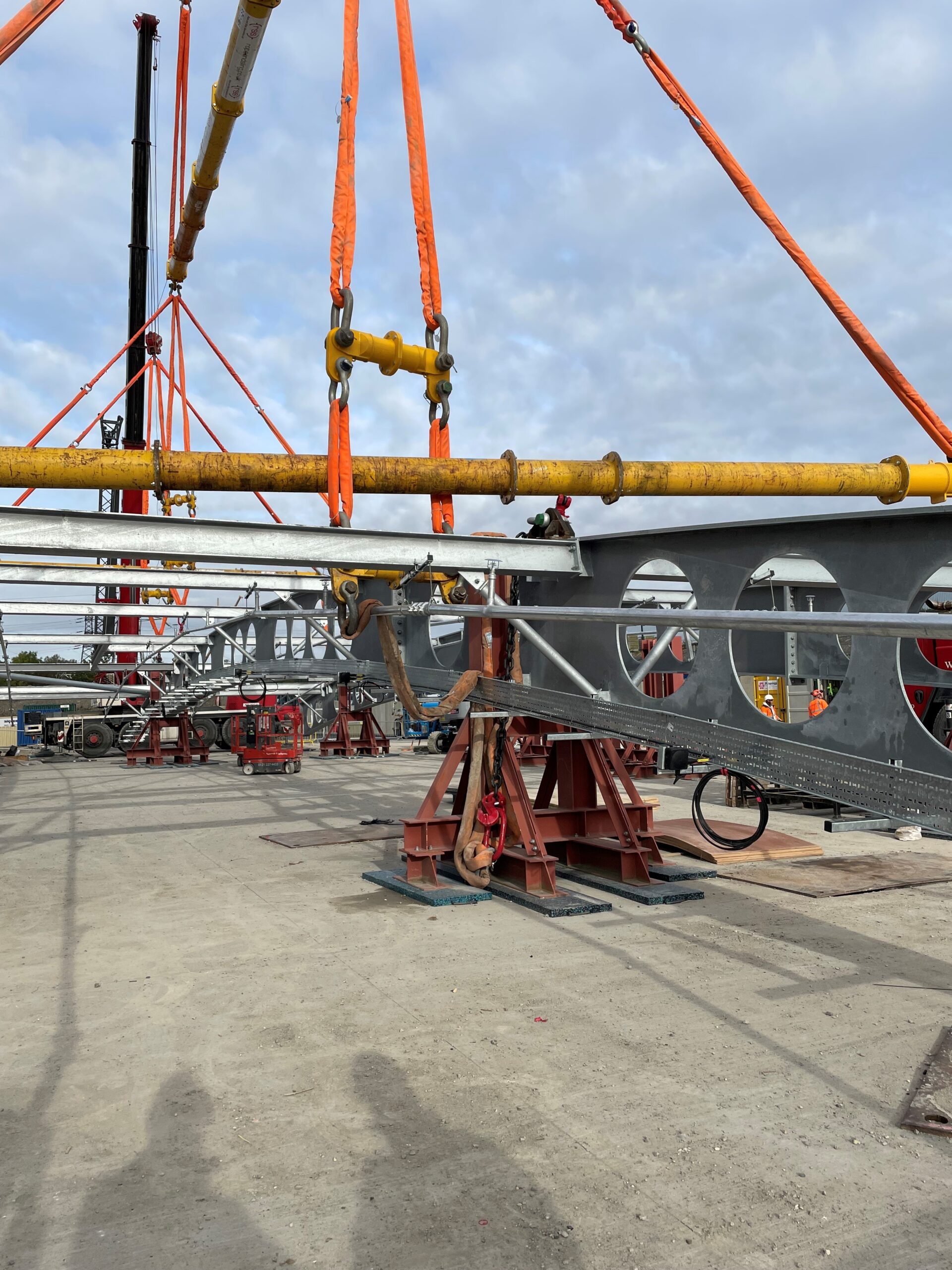
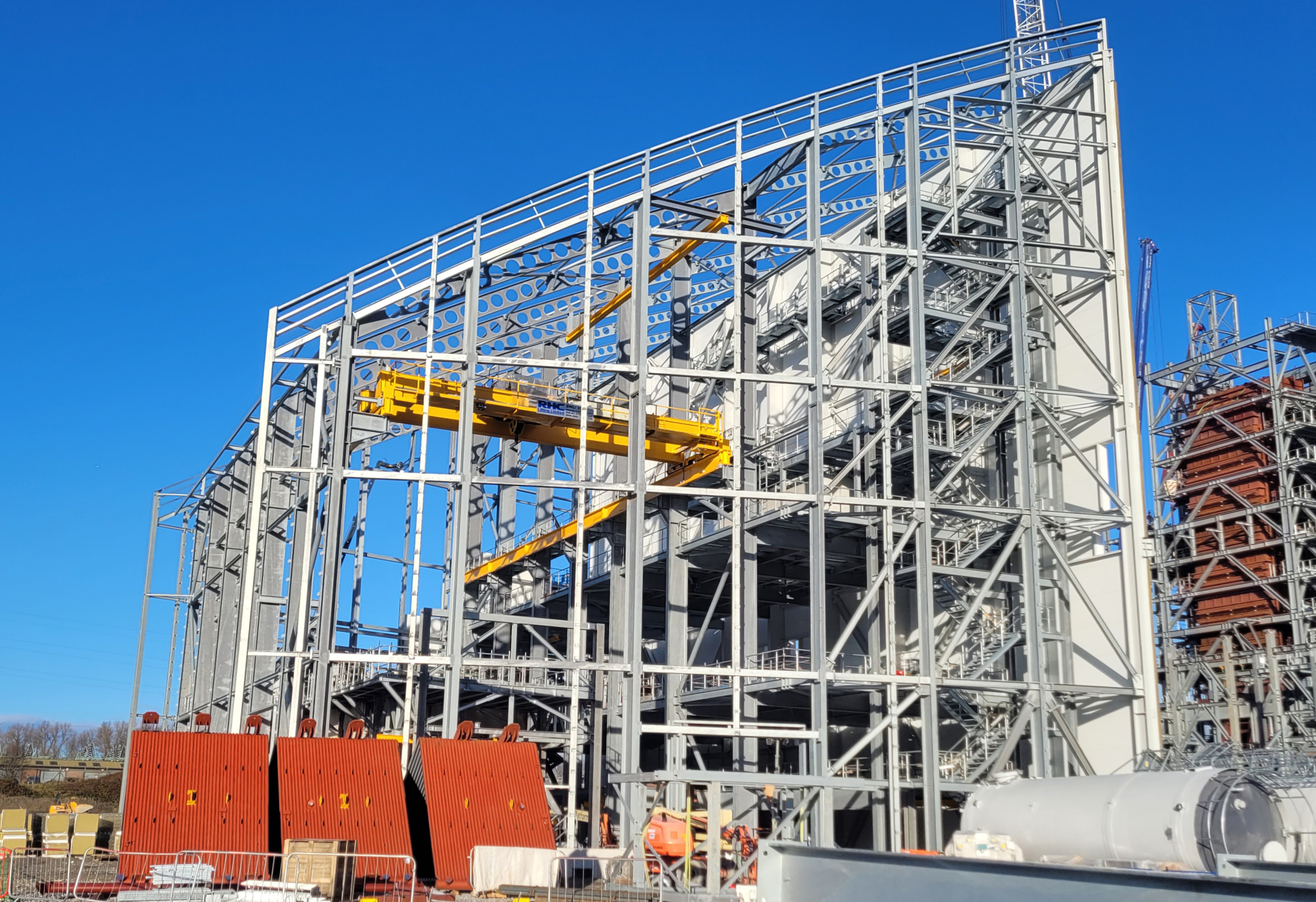
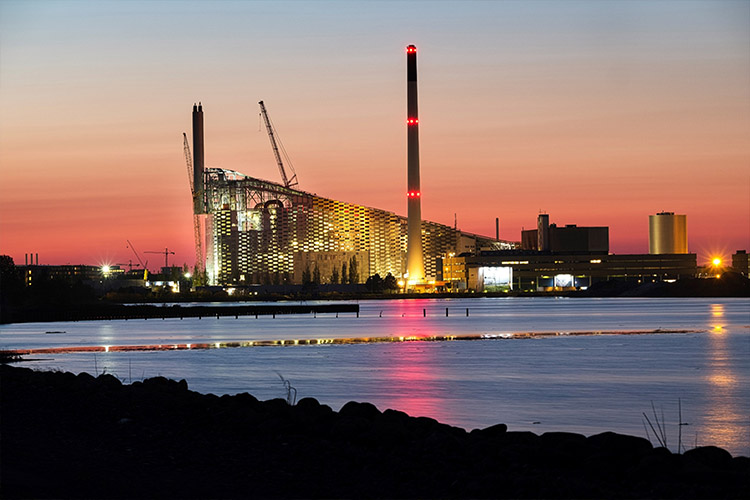
The Jury is delighted to honour the Skelton Grange Energy from Waste Facility with the European Steel Design Award ESDA 2026 - LAUREATE PRIZE. This project sets new standards for the use of structural steel in complex industrial infrastructure while redefining expectations of industrial architecture. Built on the site of a former power station, the facility transforms a brownfield location into a vital piece of sustainable energy infrastructure. Comprising 3,000 tonnes of structural steel across seven highly complex buildings, the project demanded exceptional engineering expertise, digital coordination and construction excellence. Key achievements include a 50-metre crane-support mega-truss, fatigue-resistant structures designed for continuous operation, and elegant perforated arch girders spanning the full width of the waste bunker. Advanced digital modelling and innovative modular construction techniques enabled the project to be delivered safely and efficiently within an ambitious 41-week programme.
What particularly impressed the Jury was the project's architectural quality. Industrial facilities are rarely celebrated for their visual appeal, yet Skelton Grange demonstrates that function and architectural expression can coexist. Its distinctive double-curved roof form reduces the visual scale of the building and creates a memorable landmark, while the steel structure itself contributes to a coherent and refined architectural identity.
Beyond its engineering and architectural excellence, the facility delivers substantial environmental benefits, diverting 410000 tonnes of non-recyclable waste from landfill each year and generating electricity for more than 100000 homes. It stands as a powerful example of how engineering innovation, sustainability and design quality can be successfully united in a single project.
ESDA 2026 Special Award - Sustainability:
PORTUGAL – Marseille Provence Airport (France)
Project owner
Marseille-Provence Airport (AMP)
Structural Engineering Firm
WSP
Architectural Firm
Foster + Partners / Rougerie Tangram
General Contractor
- GTM SUD - Travaux du MIDI - Martifer Constructions SAS
Steelwork Fabricator
Martifer Metallic Constructions
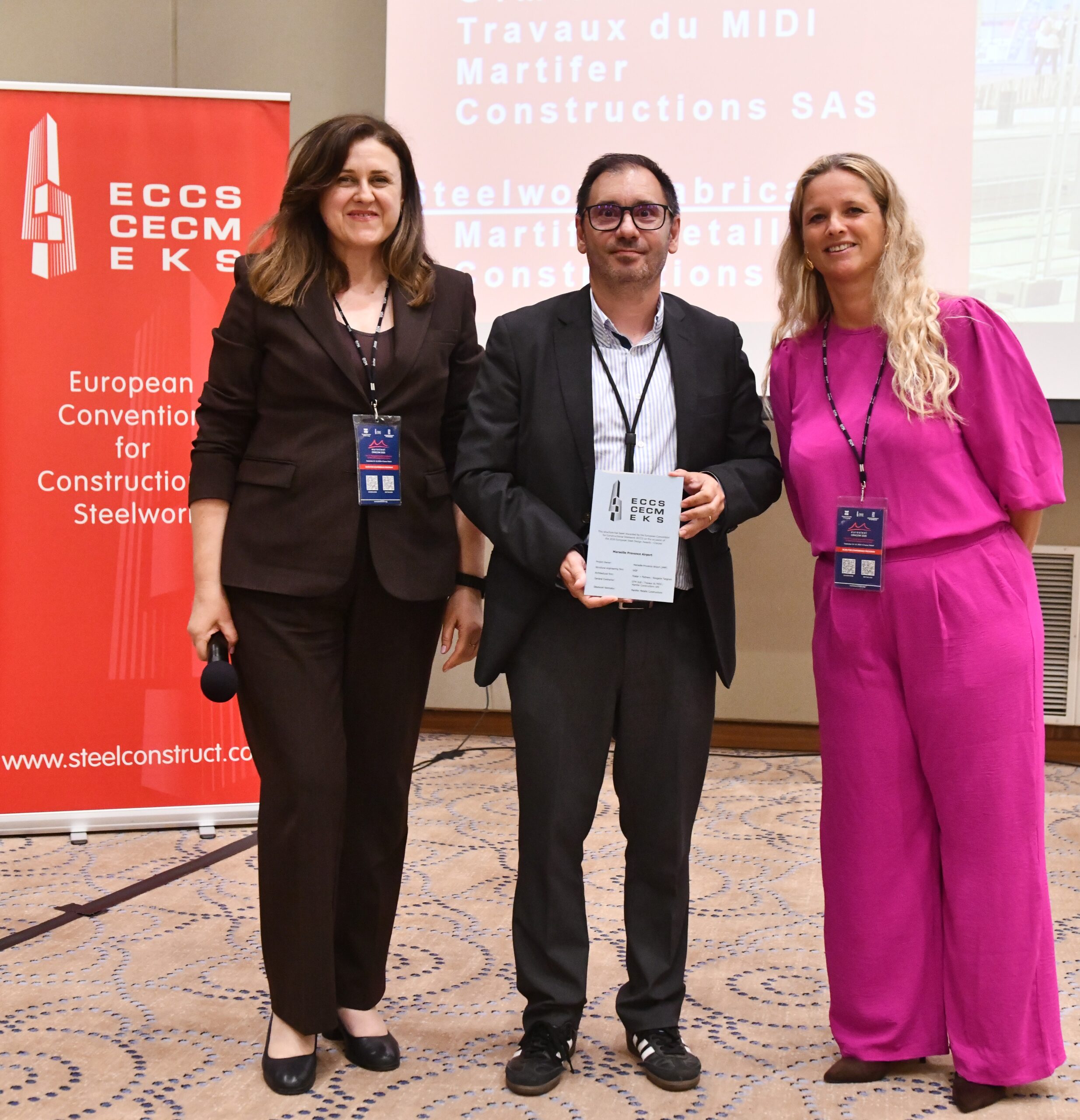
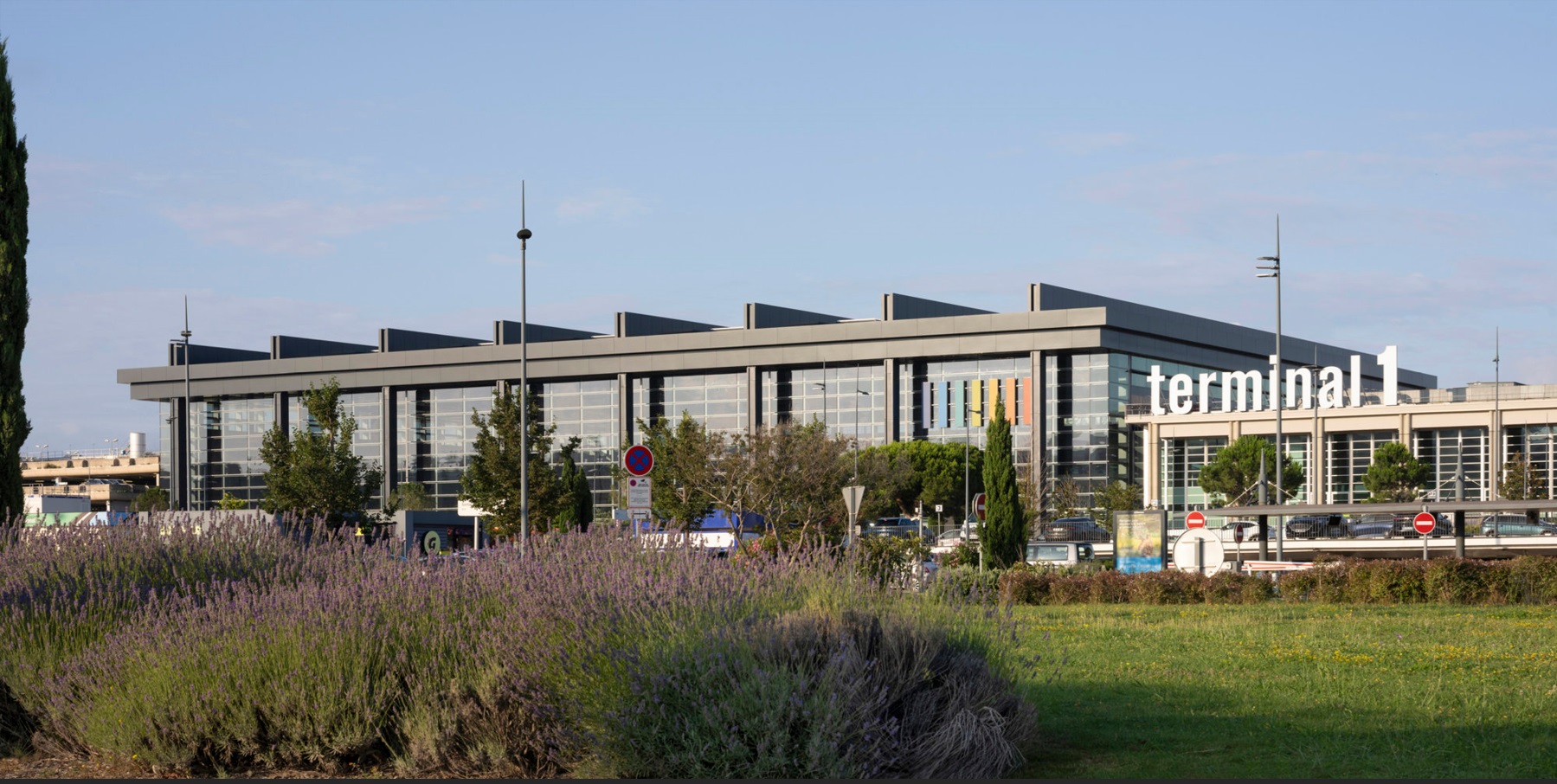
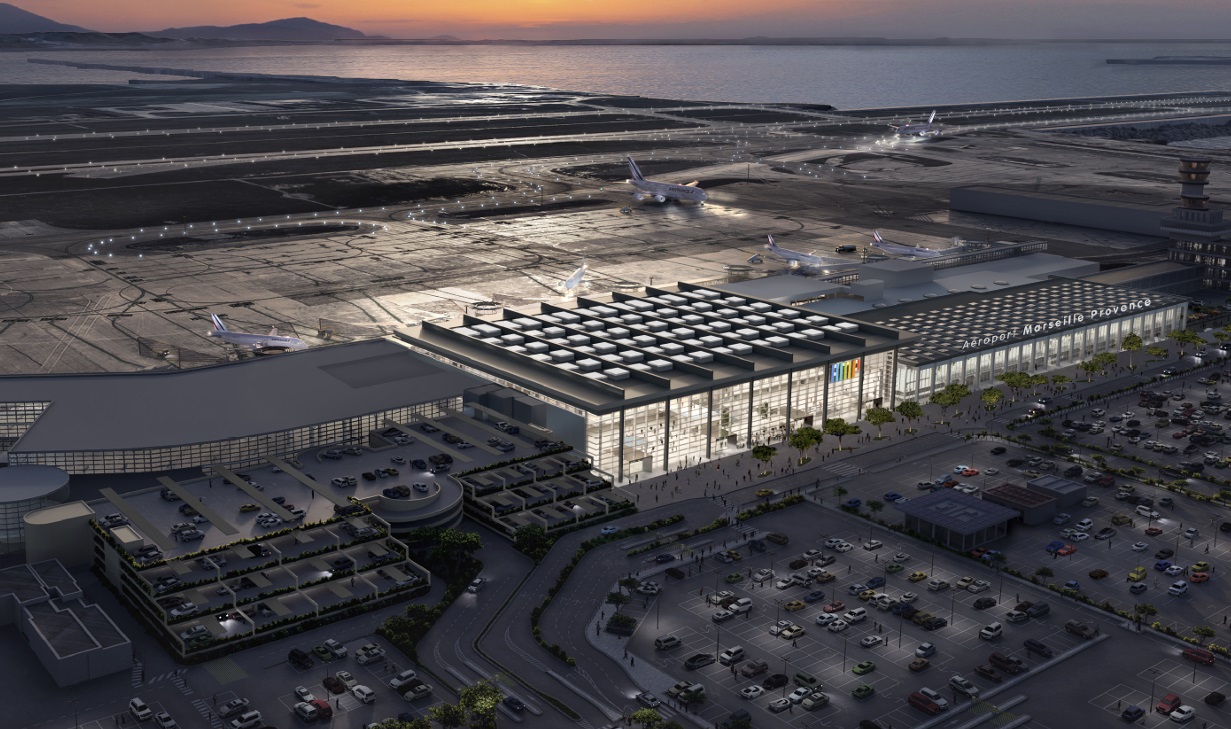
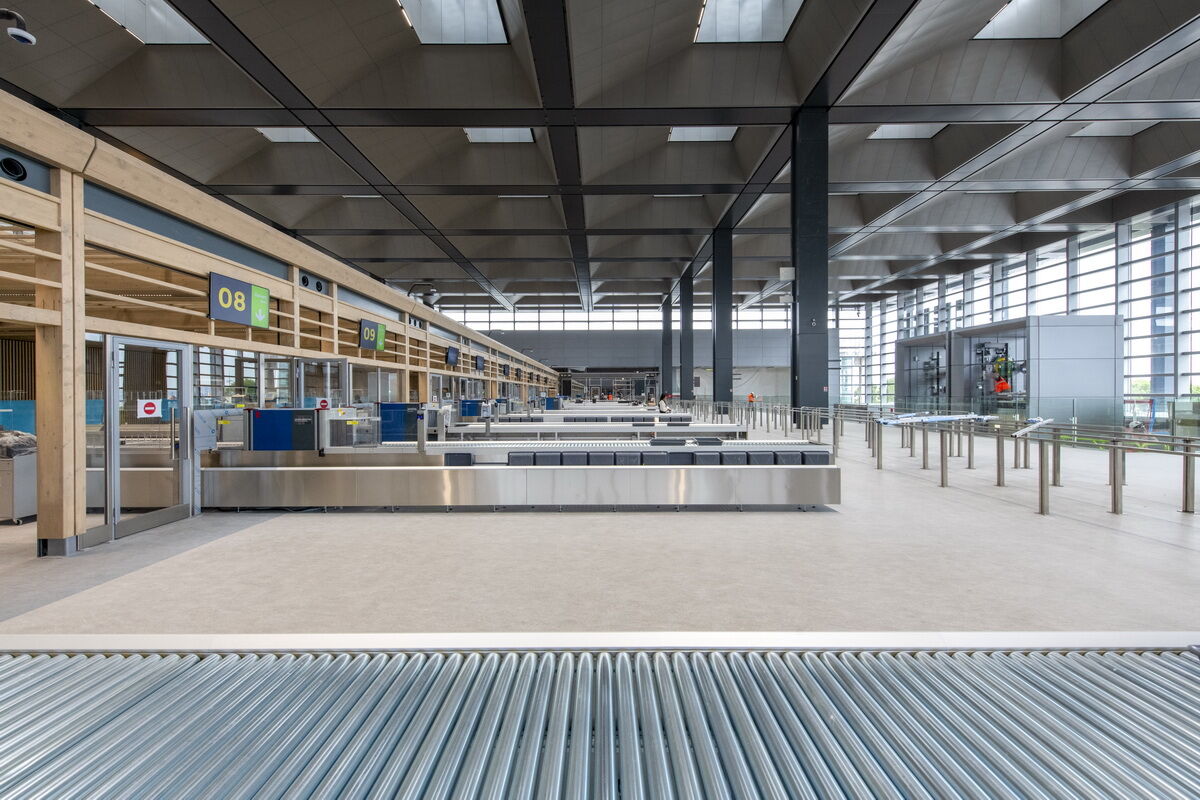
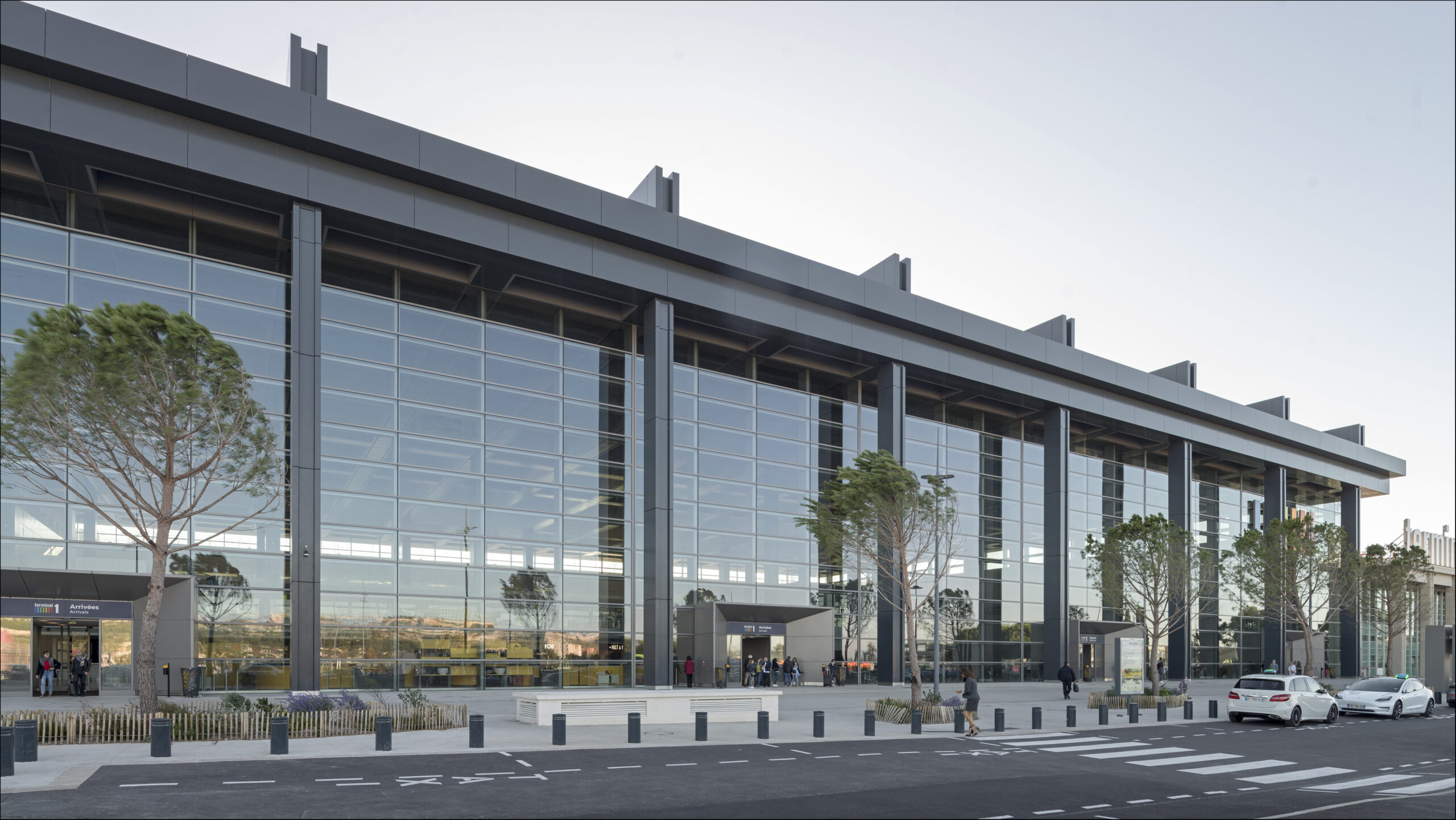
The Jury is proud to present the Special Award for Sustainability to the Coeur d’Aéroport at Marseille Provence Airport, a project that demonstrates how structural steel can drive environmental responsibility, architectural quality, and operational excellence in major infrastructure developments.
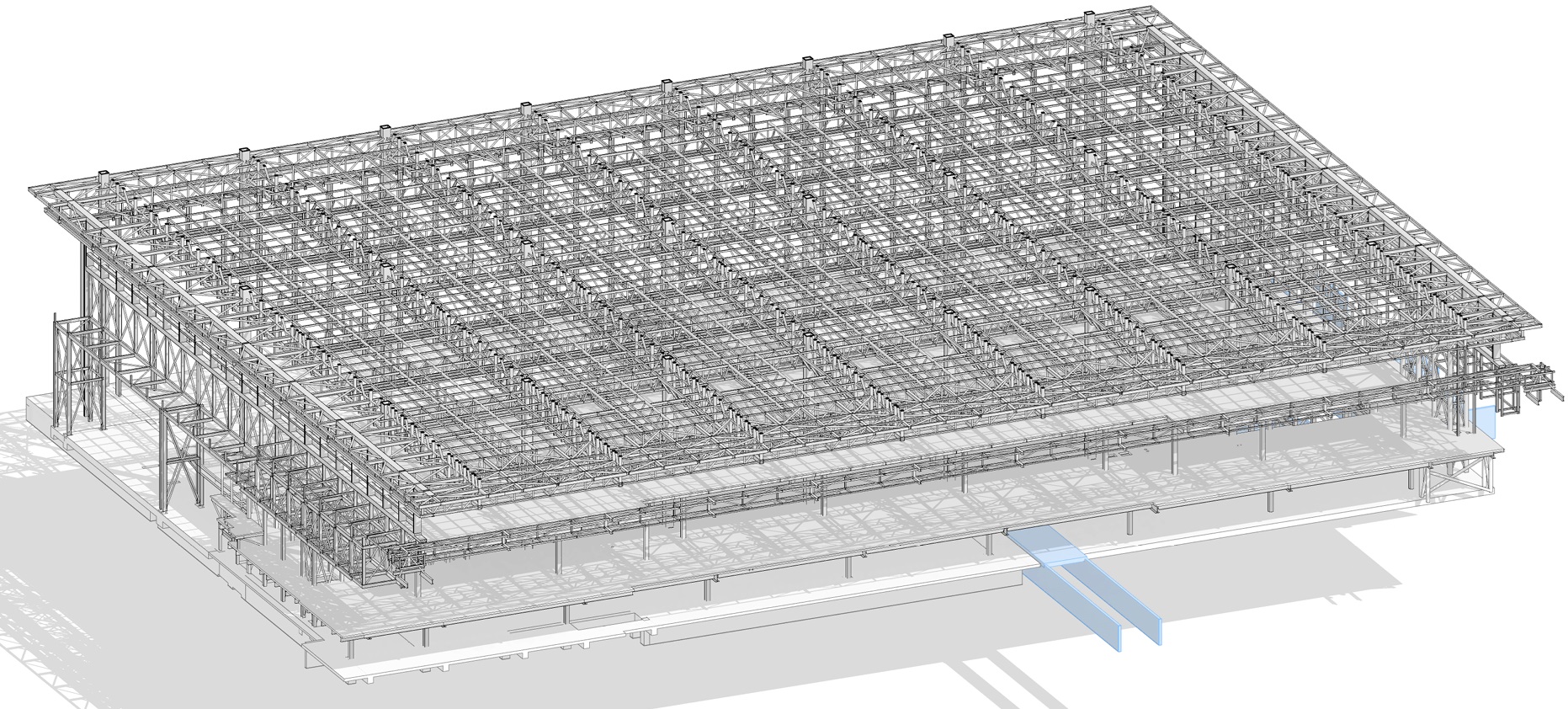
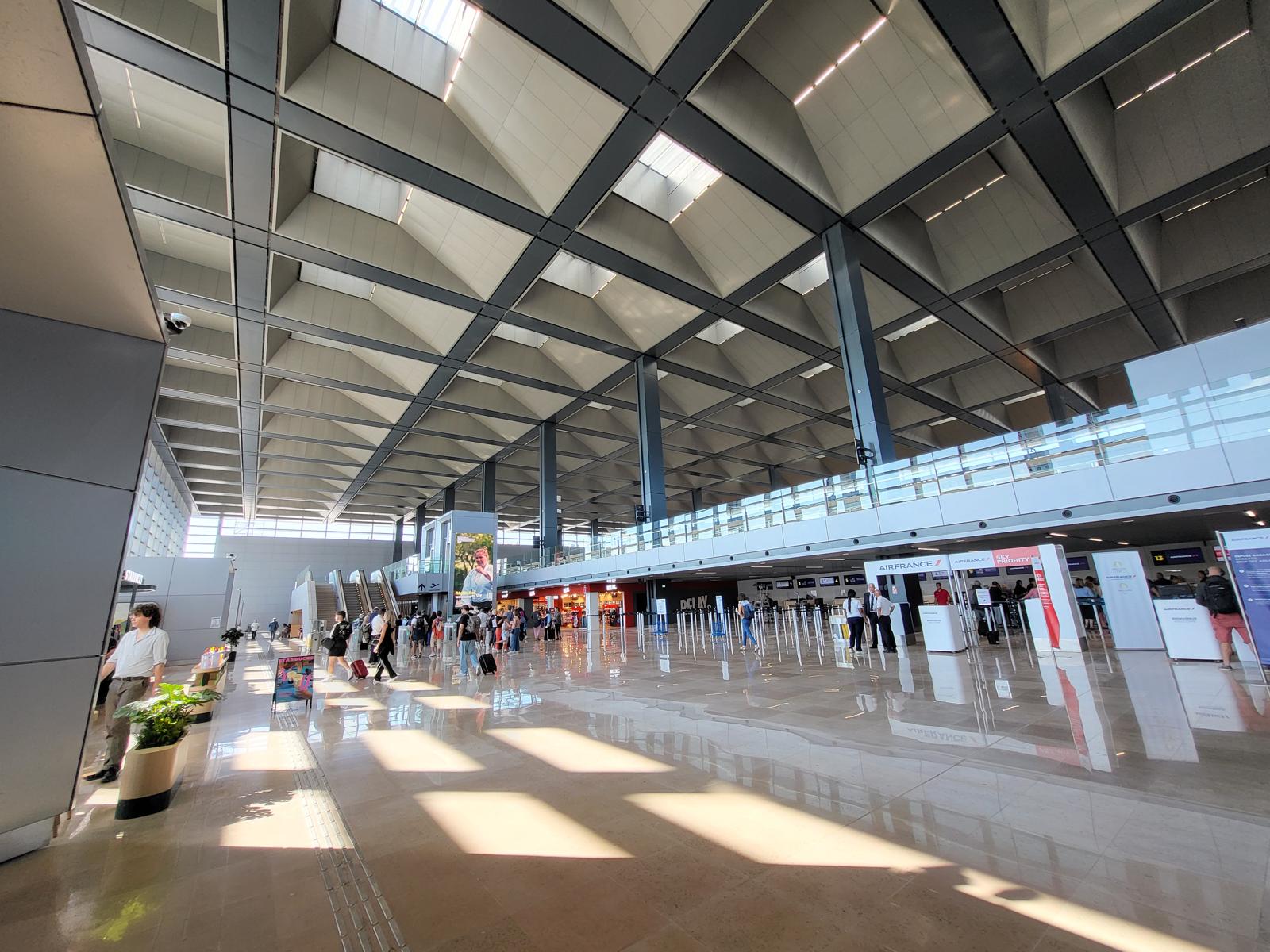
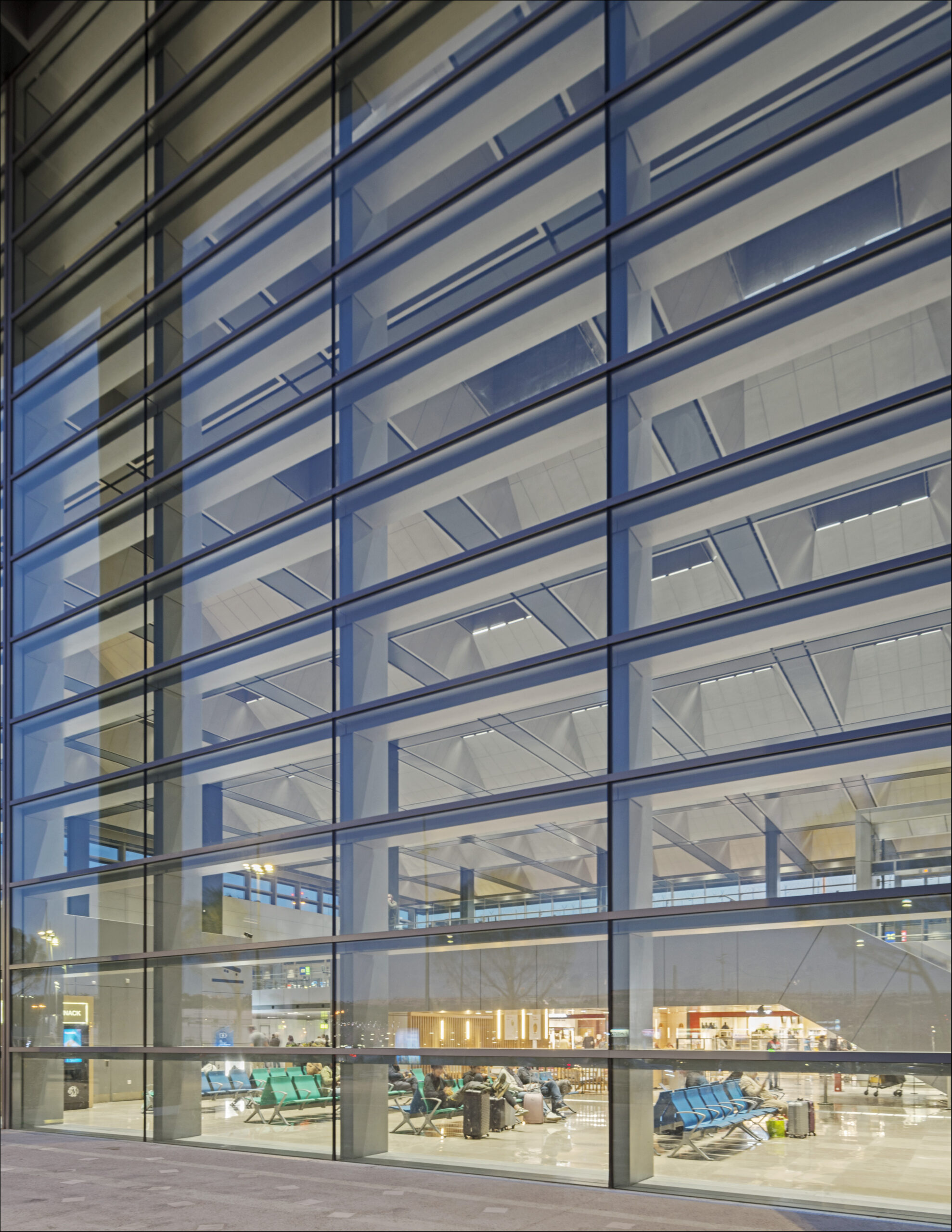
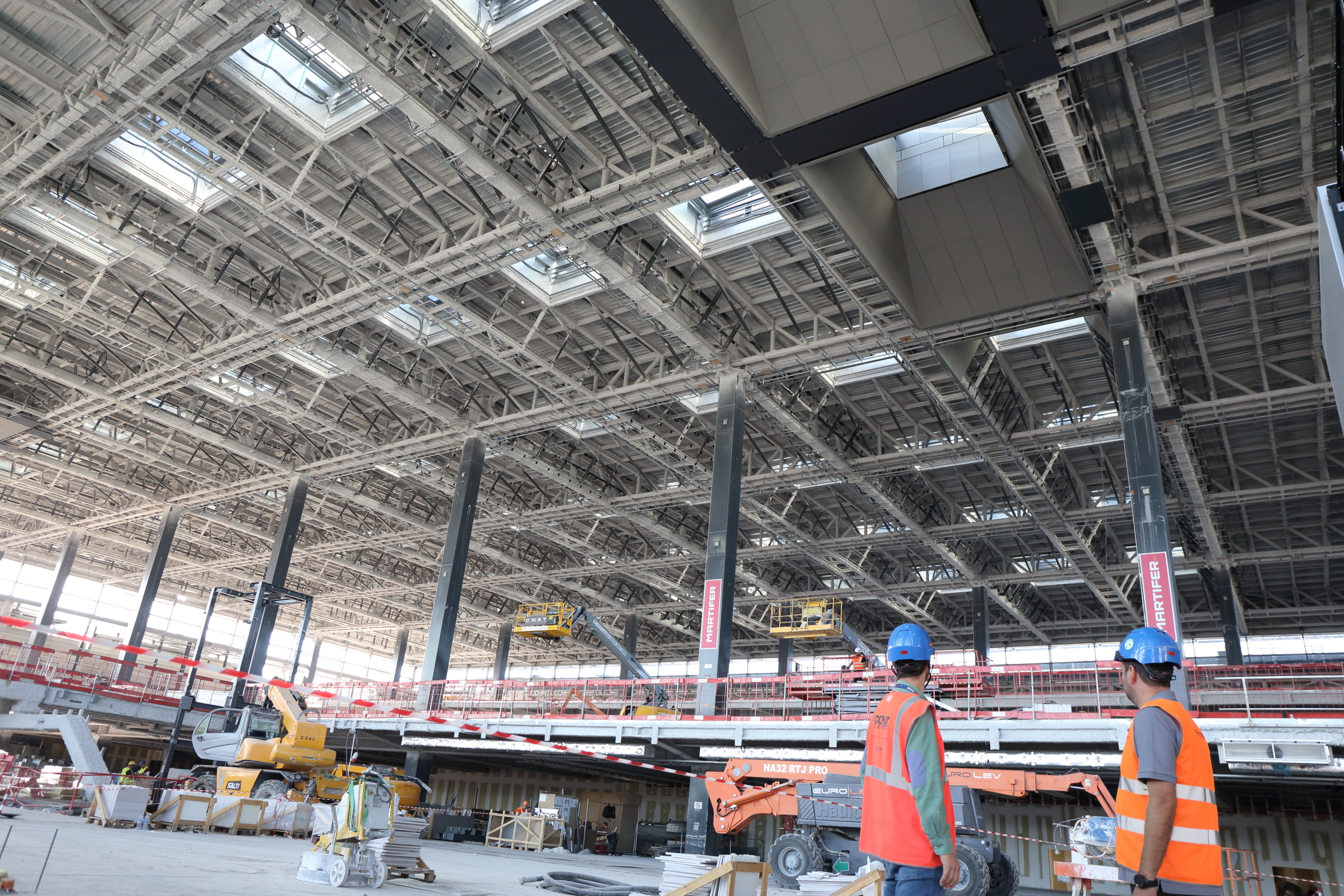
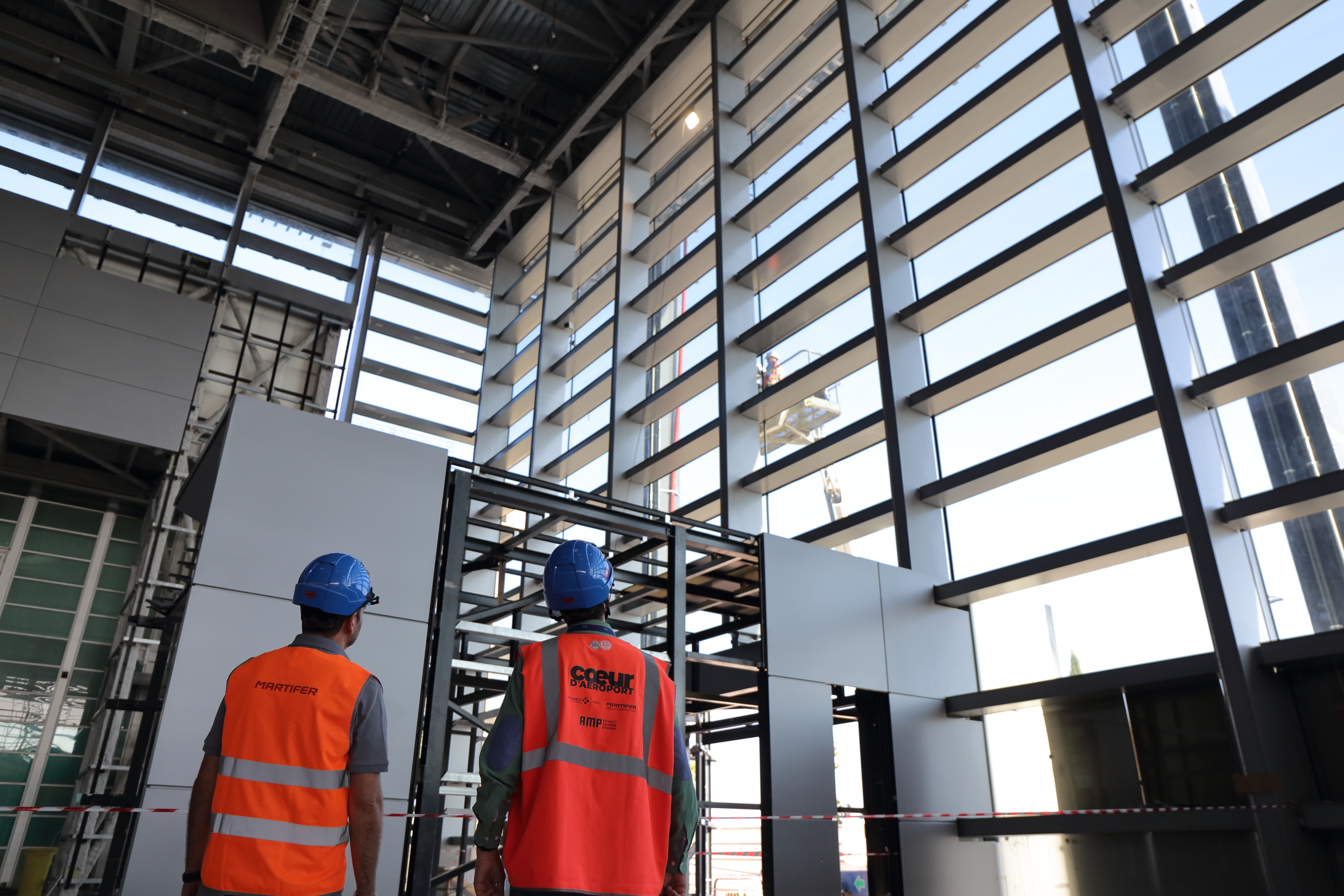
Sustainability in this building is embedded throughout both the architectural and structural design, achieving a 15% reduction in carbon footprint through the extensive reuse of existing structures and the incorporation of 70% recycled steel in the new building. A grid of 60 skylights provides abundant natural daylight and enables natural ventilation, significantly reducing cooling demands, while high-performance glazed façades with solar protection improve thermal efficiency. These passive environmental strategies are seamlessly integrated into a striking architectural composition that reconnects the airport with its surroundings.
The Jury was also impressed by the innovative structural solutions that reduced construction impacts, minimized material consumption, and improved construction efficiency, while allowing airport operations to continue uninterrupted throughout the construction period. These solutions demonstrate that the rehabilitation of complex infrastructure can be both ecologically responsible and operationally effective.
ESDA 2026 Special Award - Modular Residential Structure:
TURKEY – Türkiye İş Bankası Malatya Modular Residential Housing Project
Project owner
Türkiye İş Bankası (İş Bank)
Structural Engineering Firm
Meinhardt Turkiye
Architectural Firm
TEĞET Architecture
General Contractor
CONSERA (Design & Build)
Steelwork Fabricator
AKKON, CONSERA
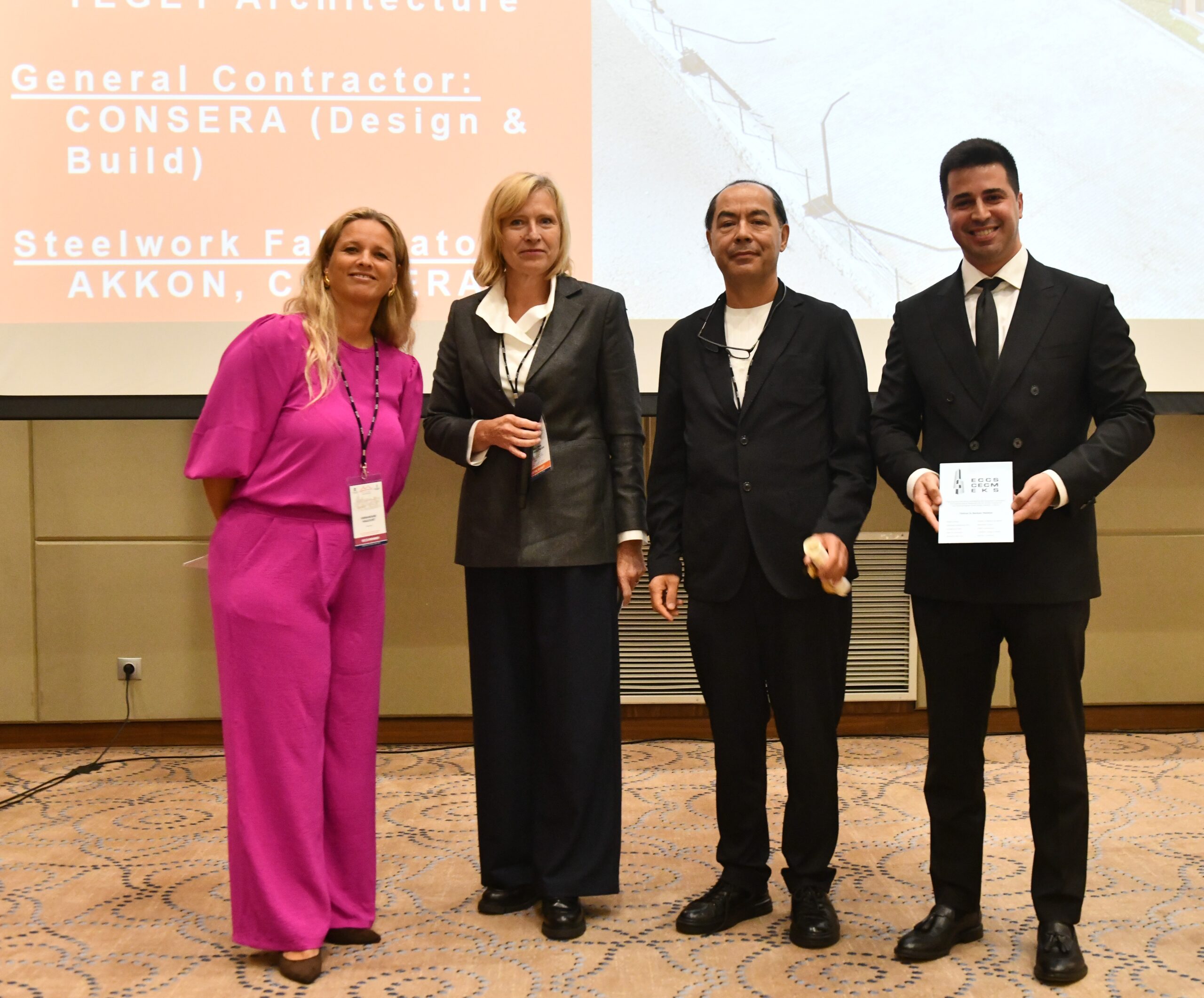
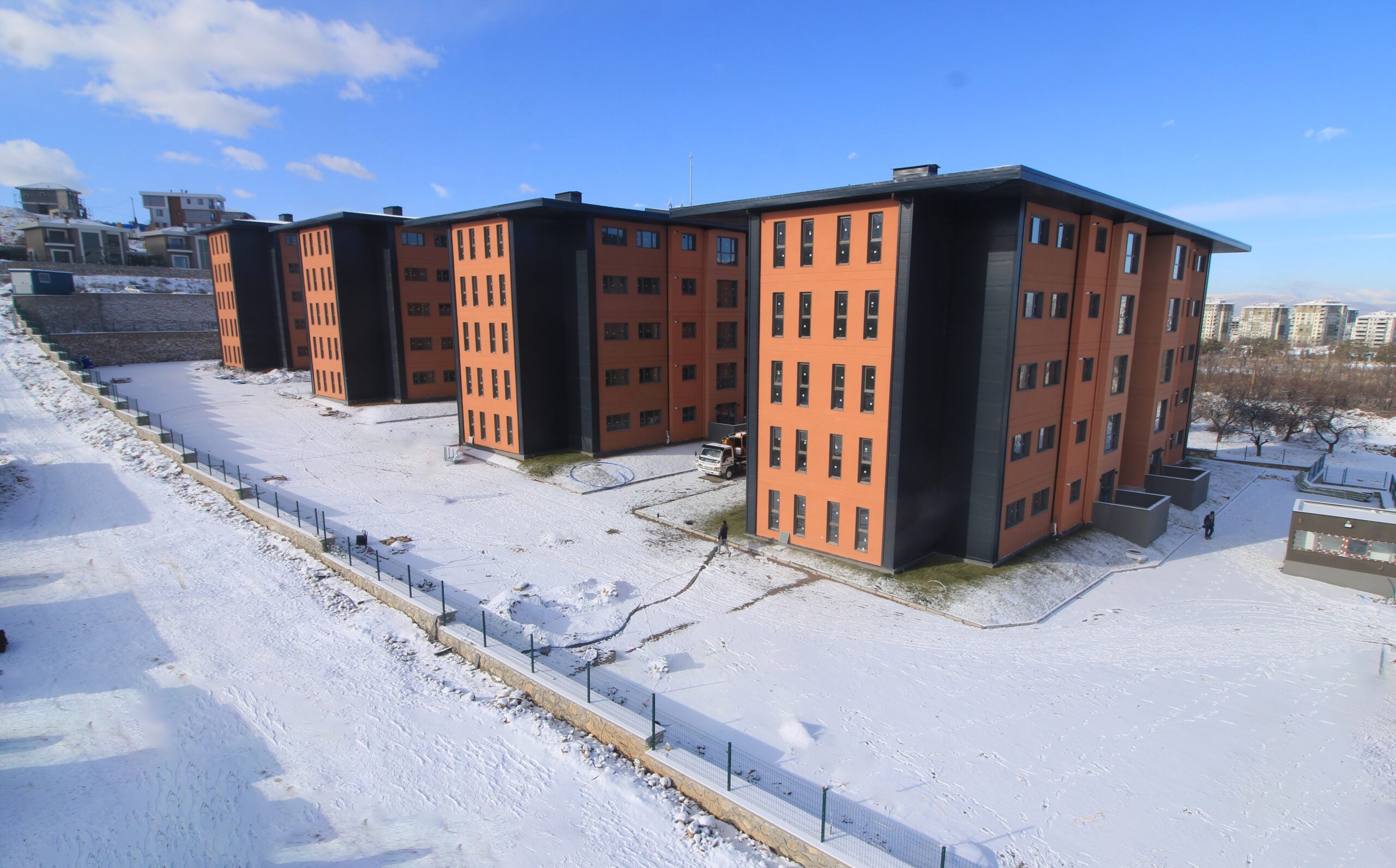
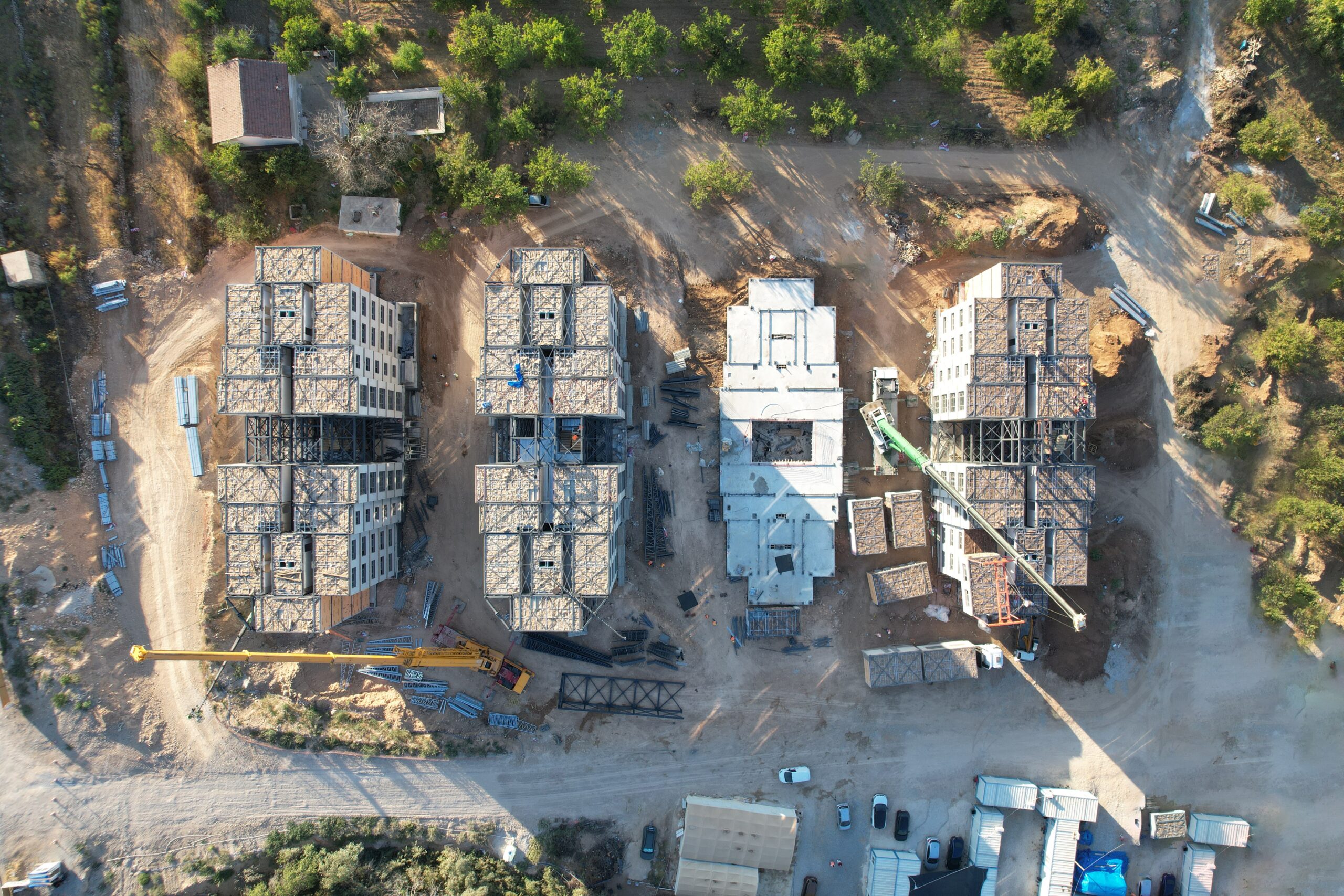
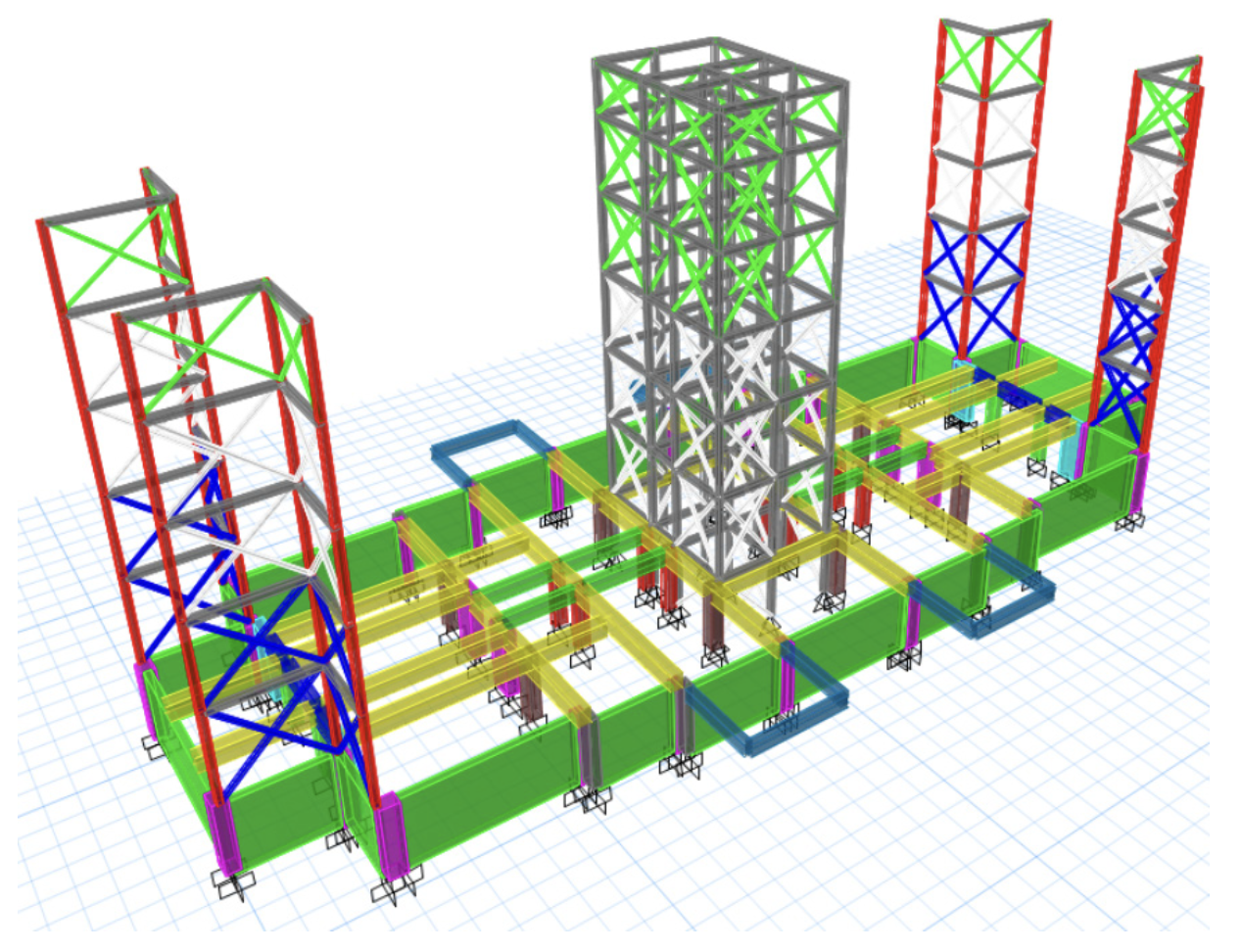
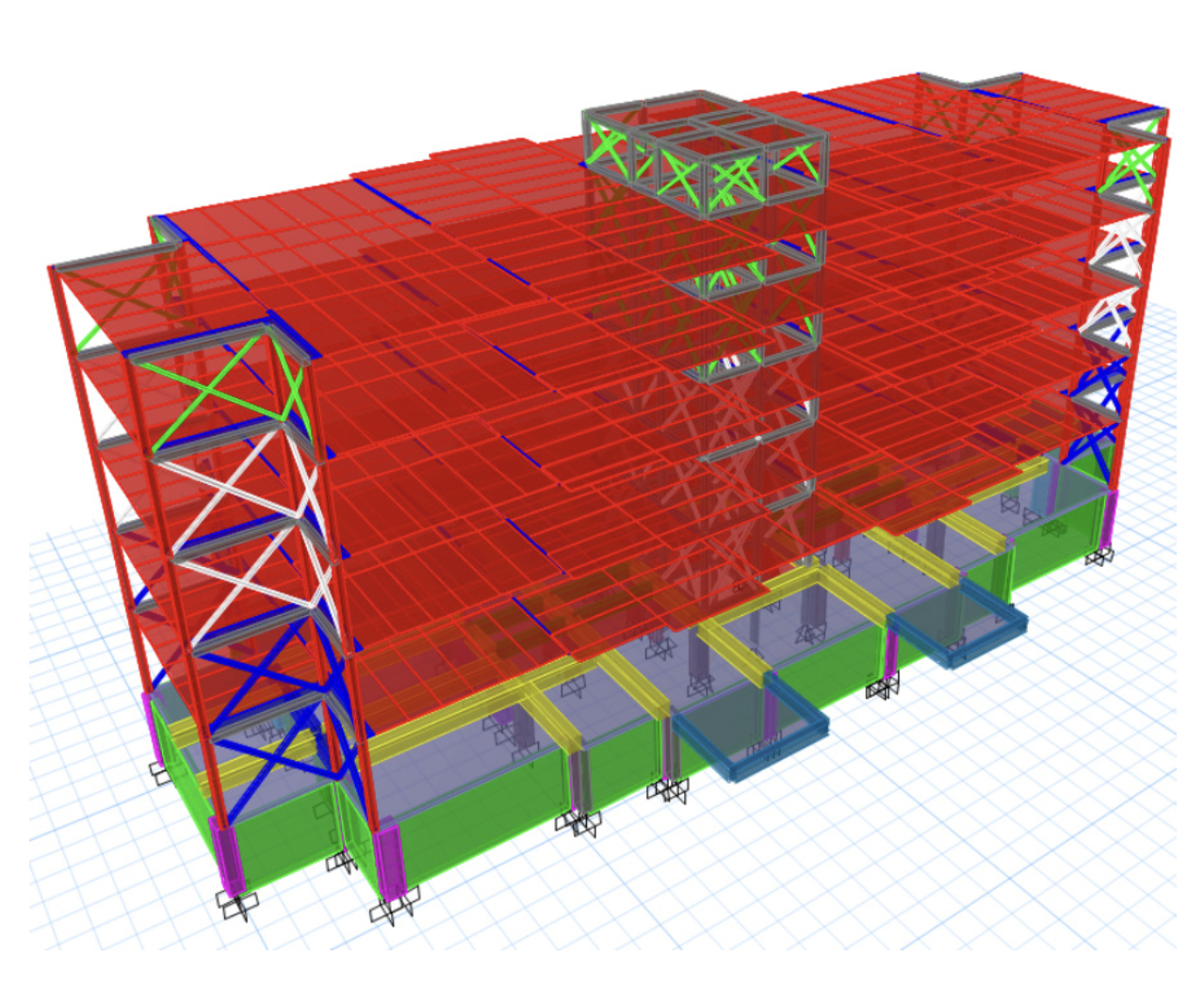
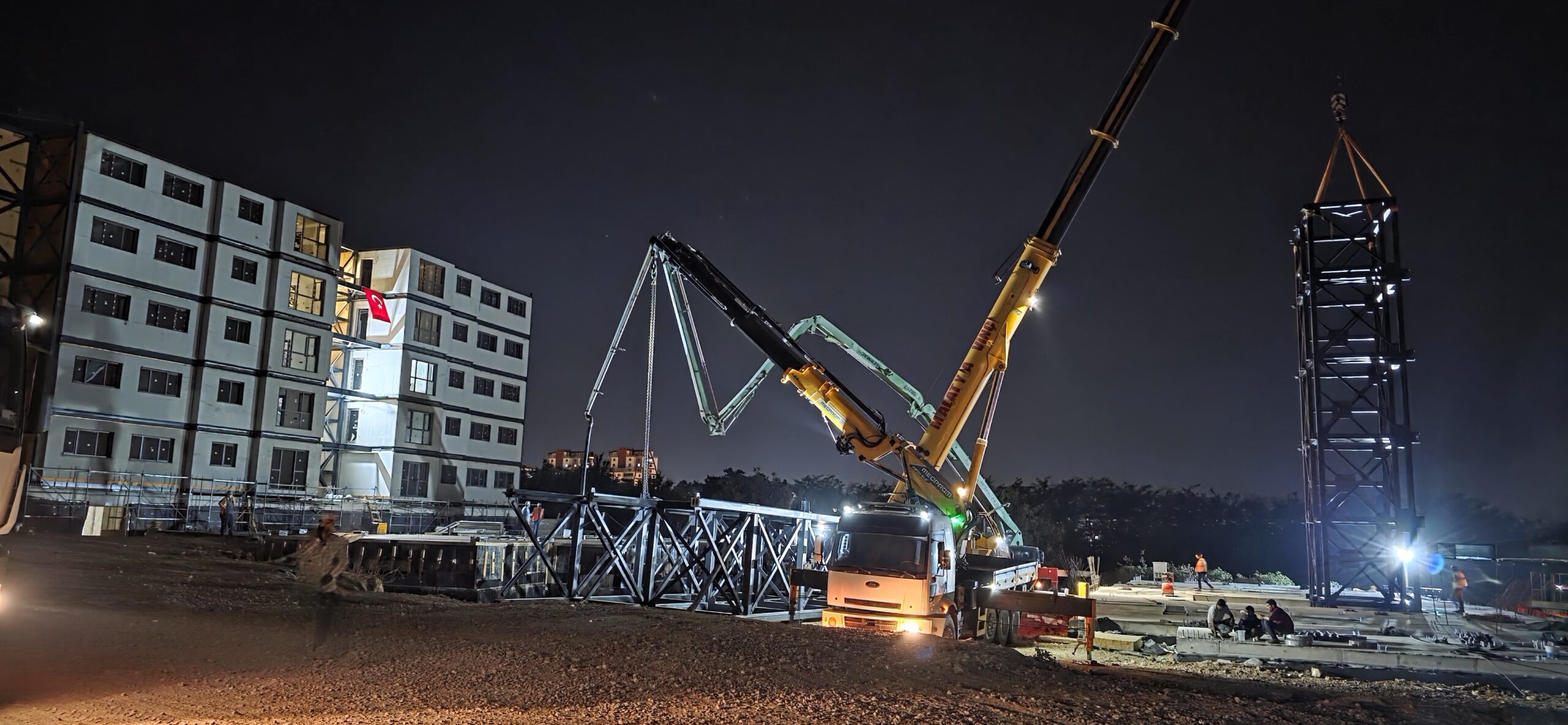
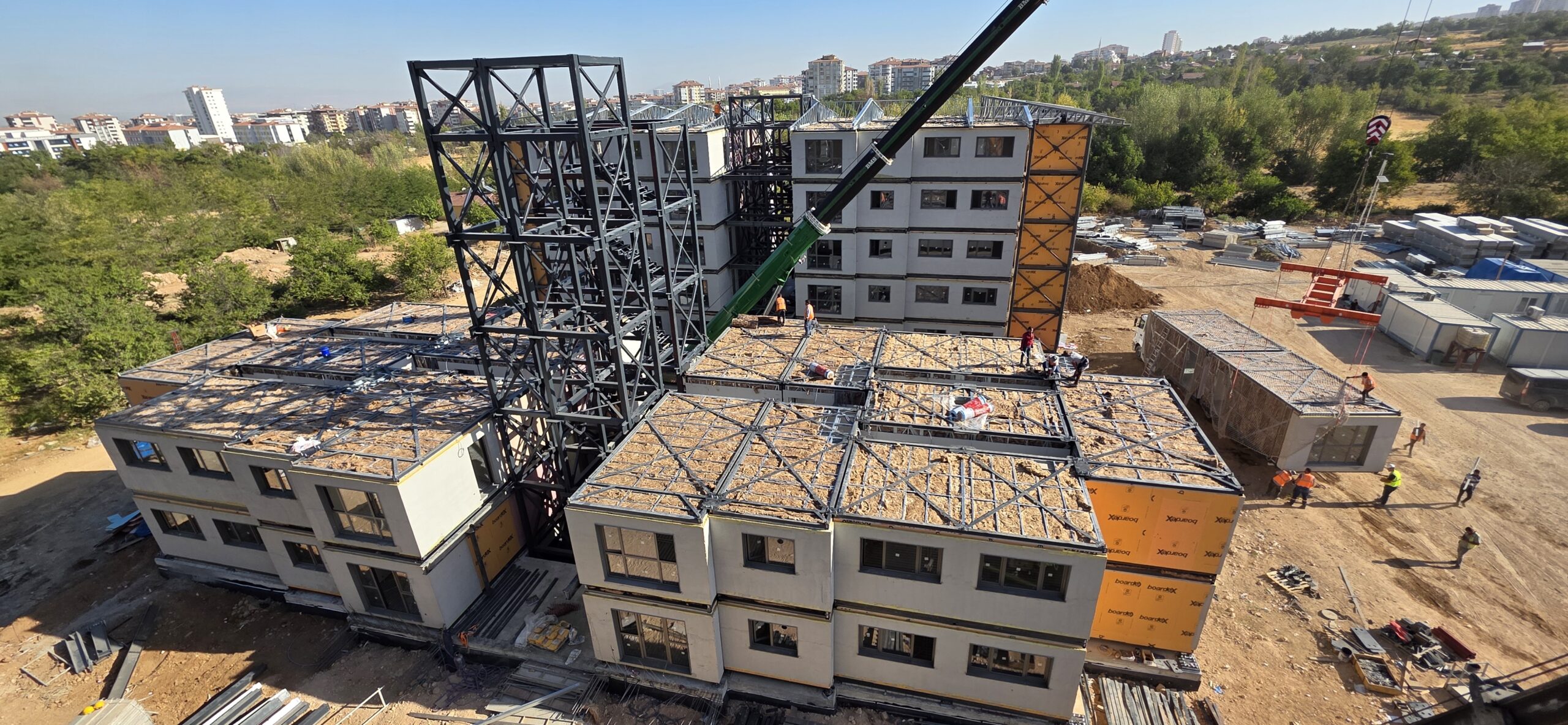
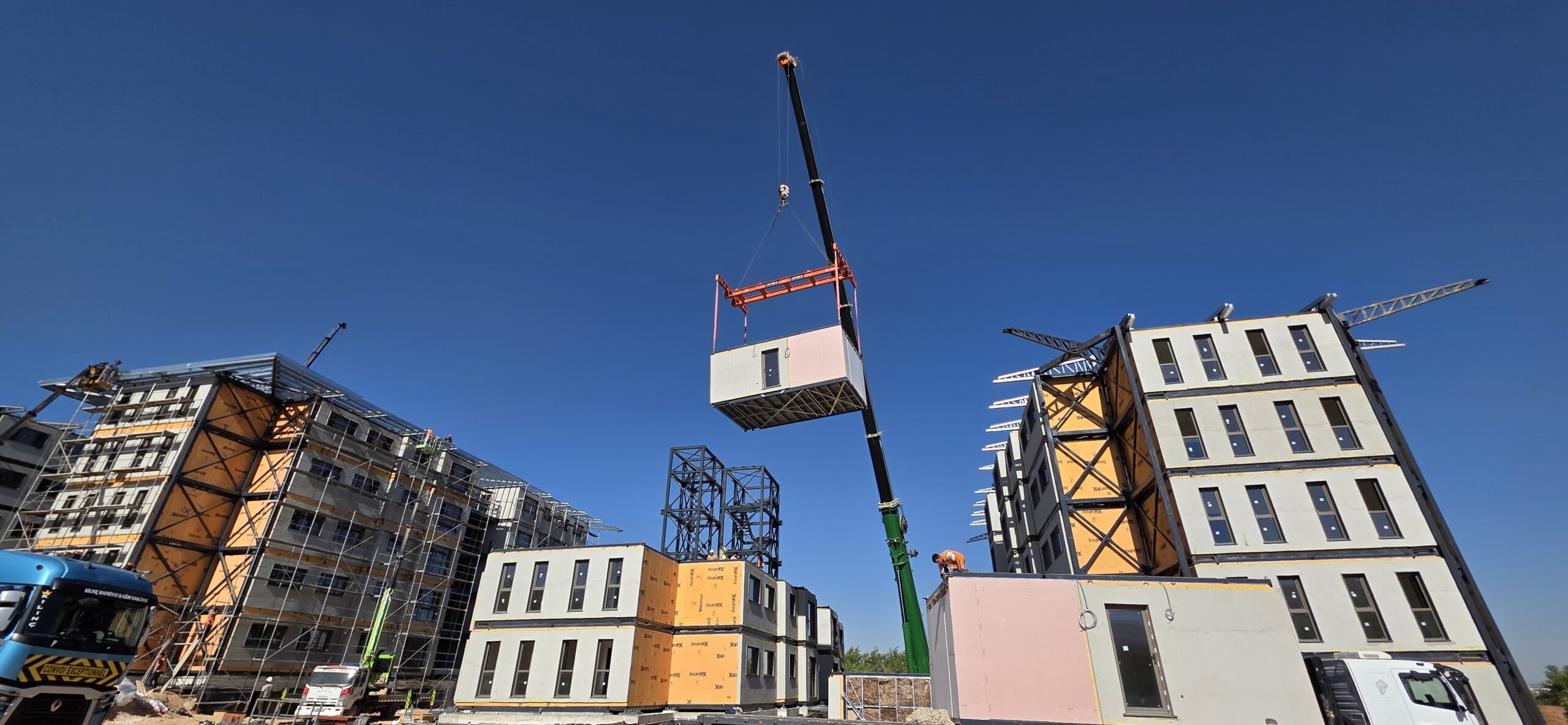
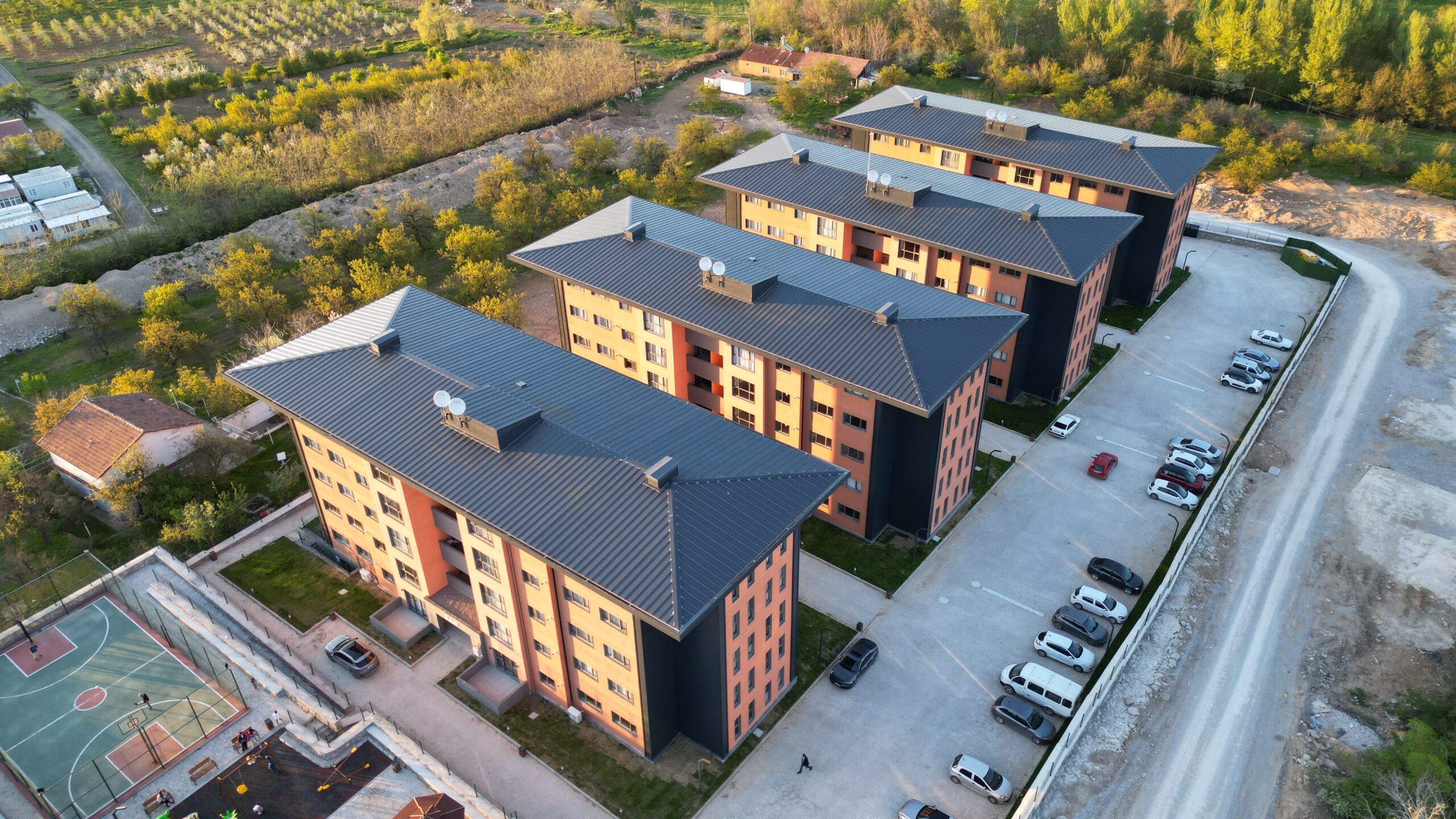
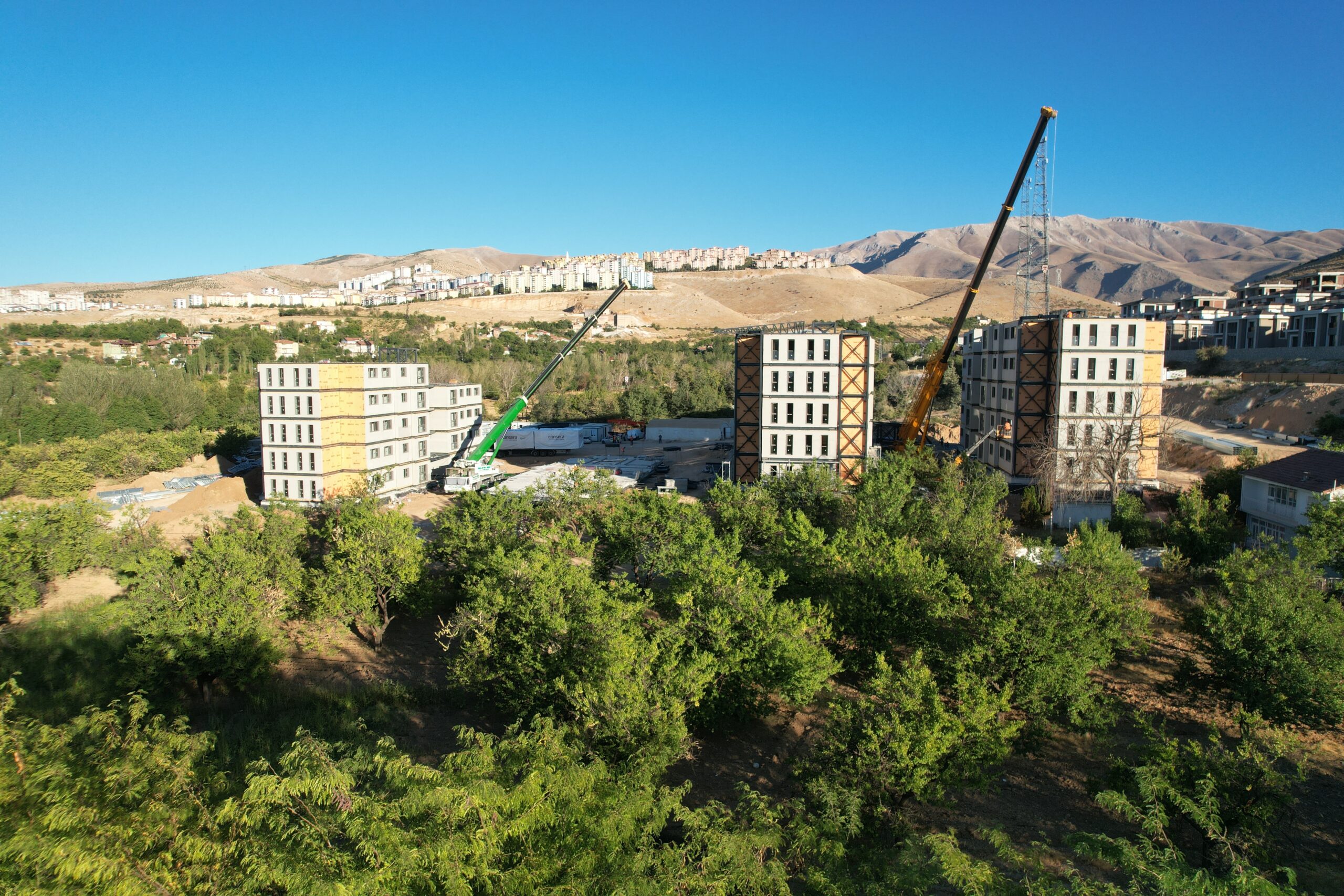
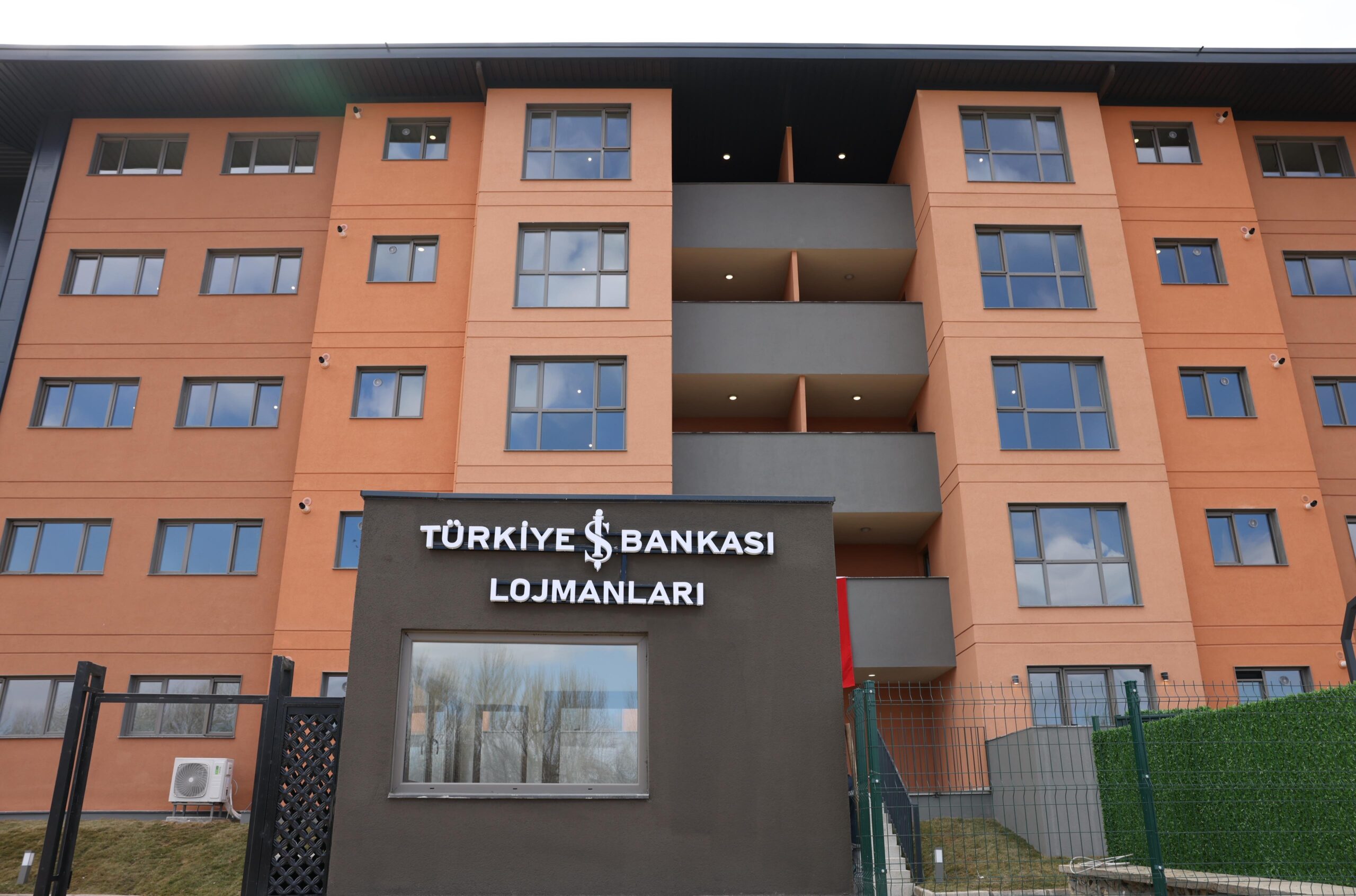
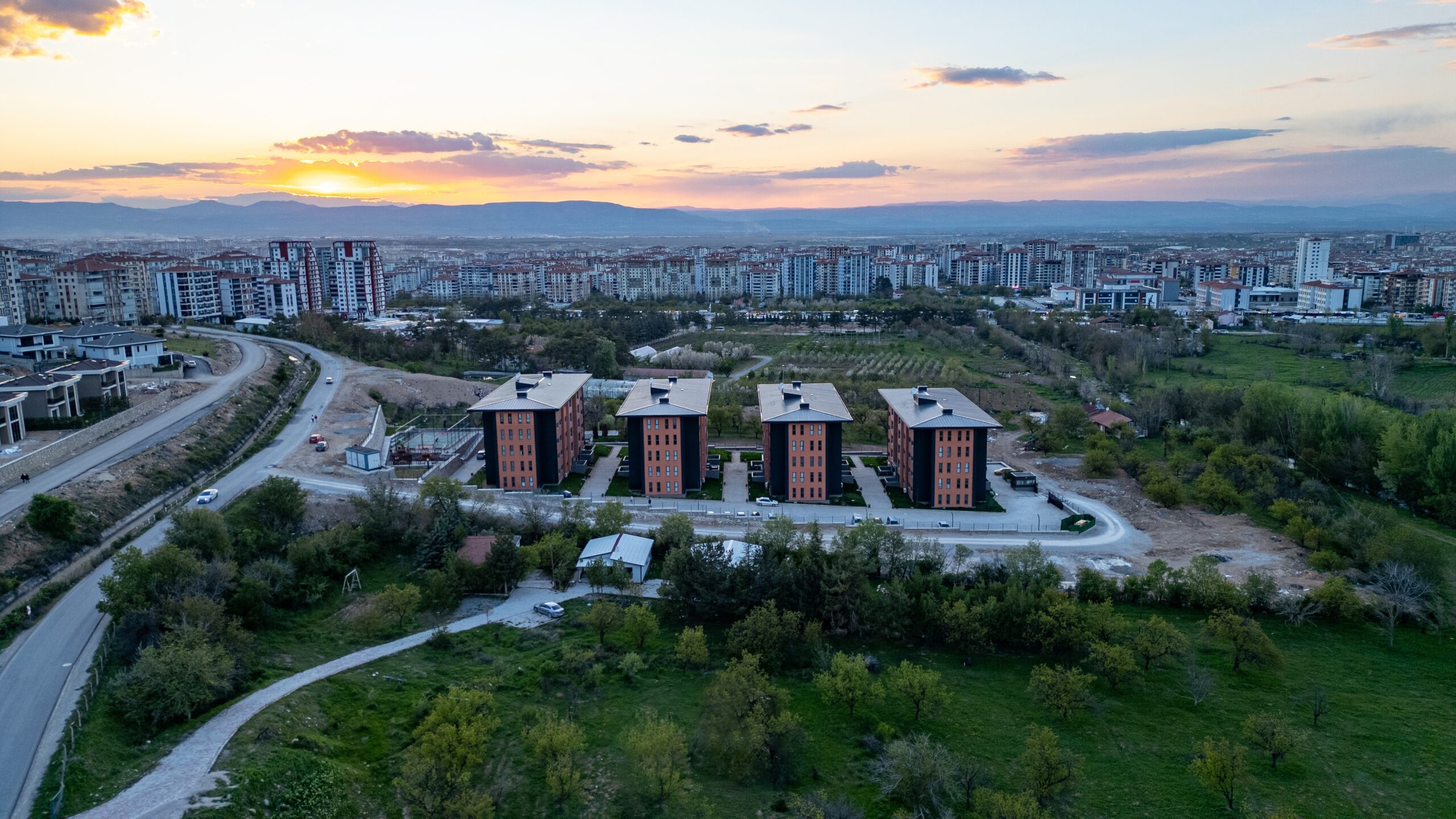
The Malatya Social Housing project in Turkey was awarded a SPECIAL AWARD – modular residential housing, as a strong solution to safe housing demand in Turkey, commissioned following the Kahramanmaraş earthquake.
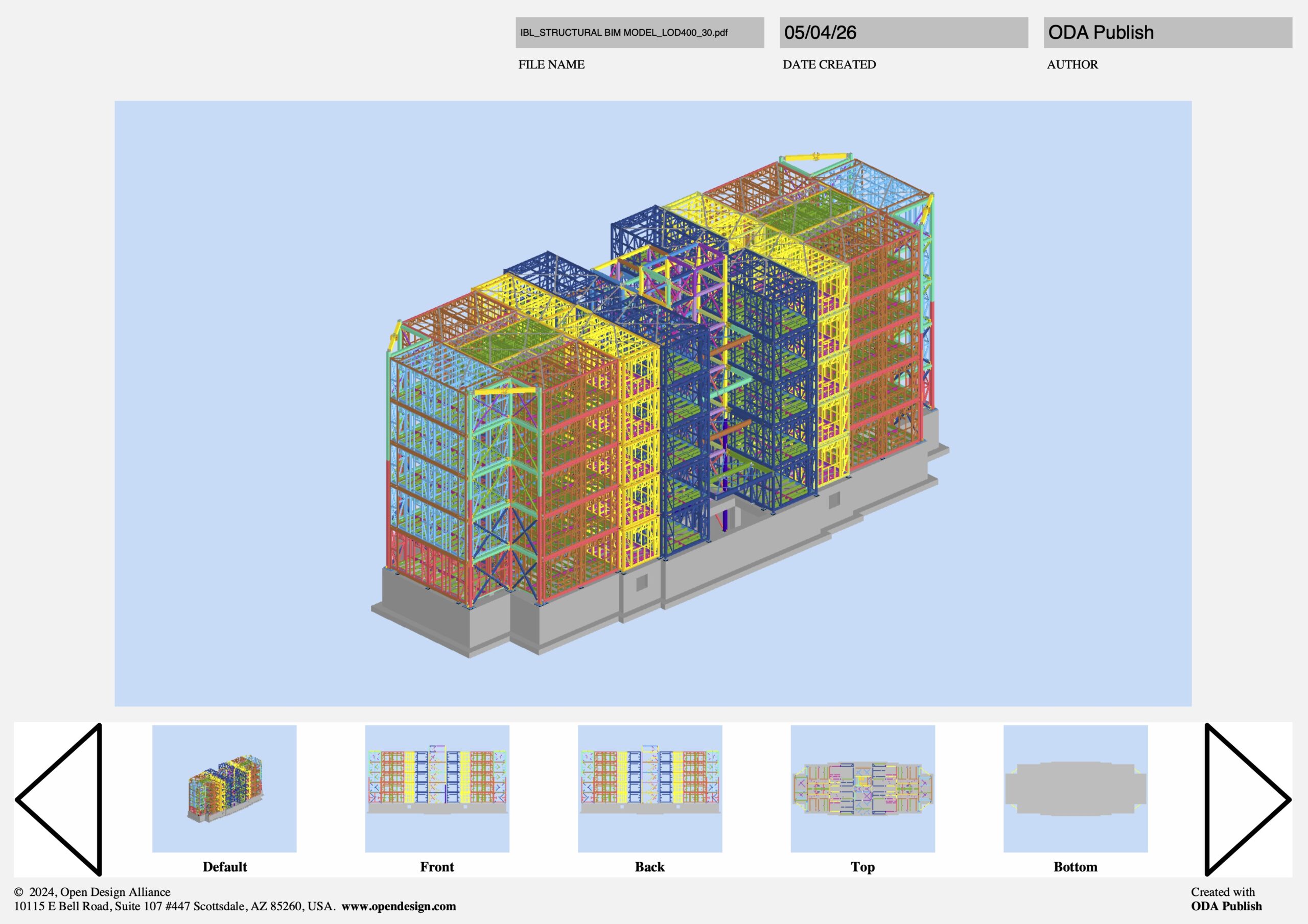
The off-site modular construction was delivered in 180 days and consists of 320 units across four blocks, including a basketball court and a children’s playground. The structural system is based on a hybrid modular approach combining volumetric steel modules with a central core and four concentrically braced frames at the building corners, ensuring seismic resistance and torsional stability. Compared to reinforced concrete, the structure is lighter, enhancing performance and construction speed.
The jury recognized the high quality of the design and commission of a sustainable facility that simultaneously meets the requirements for construction in earthquake-prone areas. The project demonstrates that the use of a modular system with a steel supporting structure can be an effective solution, resulting in an affordable, functional, coherent residential structure and can be also a good solution for other forms of temporary housing.
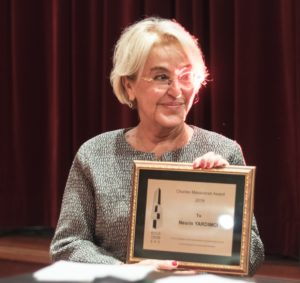
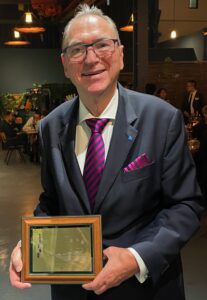
 Professor J.M. ROTTER was born in Chesterfield, England and graduated at Cambridge University when he was awarded a Commonwealth Scholarship to study in Australia. He got a PhD in civil engineering from the University of Sydney. His main specialty is the Buckling of Shells.
 Jouko KOUHI is expert in Connections, welding, stability and fatigue of steel structures. He has been an active member of various ECCS Technical Committees since 1979, working on ENV 1993 part 1.8 from 1999 to 2002.
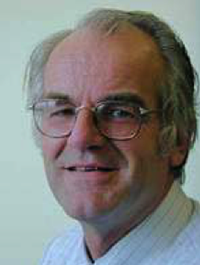 Frans BIJLAARD, Professor of steel structures at the Faculty of Civil Engineering & Geosciences at Delft University of Technology. His main specialties are on stability of steel structures, structural behaviour of joints in steel structures and design of greenhouses.
 The involvement of Professor Jean Pierre MUZEAU in Education and his strong motivation in promoting the use of steel in construction over his career have to be underlined. He has been qualified as “Passeur de Connaissances” (Ndt : conveyor of knowledge) by the Members of the Jury who have underlined his prominent role among the young generations of civil engineers.
 Prof. Joachim LINDNER got a 40-year academic career and extensive experience in civil engineering from lateral torsional buckling through contact splices, historical grey cast iron columns, fatigue behaviour, stability design of glass-beams, scaffolding design, crane girders, plate buckling problems, composite beams and columns, corrugated webs, connection problems and imperfection regulations. He signed around 220 publications.
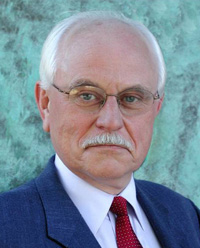 Professor Reidar BJORHOVDE has an impressive academic background, including two Ph.D. in the area of Civil Engineering, and a remarkable professional career which includes several years as a Professor in various universities in North America. He also been the Director of Bjorhovde Group since 1998.
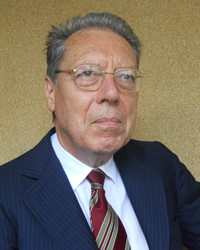 Professor Carlo URBANO has been active on ECCS committee “Stability of steel structures” since 1975. He has been also present on CEN, IABSE, SSRC committees. Graduated at the Politecnico di Milano in 1963, he dedicated his career to the “Strength of Materials”. He developed scientific research mainly on the general theory of elasticity, stability of elastic equilibrium, response to dynamics and elastoplastic vibrations, shell structures, solutions for steel and reinforced structures. Lately, he has focused his works on the elastic and elastoplastic stability of compressed simple or composed steel members in the presence of mechanical and geometrical imperfections and damages due to cyclic actions. He is the author of an incredible number of papers and publications.
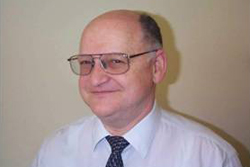 Prof. Ing. Jean-Baptiste SCHLEICH will always be recognised as "Mr Fire” of Europe. He was the leading professor in the development of the "Natural Fire Safety Concept". Under his leadership, the relationship of the fire load to the risk to a structure and its occupants was researched and tested. It is due to his work that structures can now be fire engineered with a significant benefit to the industry, building owners and users.
 Professor Manfred HIRT had been member of the various ECCS Technical Committees. He wrote more than 130 publications as author or co-author. Director of the Steel Structures Laboratory (ICOM) of the Swiss Federal Institute of Technology at Lausanne (EPFL), Prof. Hirt was known on the international scene for his expertise in the field of fatigue and fracture mechanics of steel structures, loads and action on structures, structural safety and serviceability and steel-concrete composite construction. In August 2003, he had been elected President of the International Association for Bridge and Structural Engineering (IABSE).
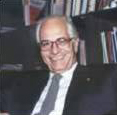 Professor Giulio BALLIO was born in Rome, on 4 March 1940, and graduated in Aeronautical Engineering at the “Politecnico of Milan”, in 1963. He was Ordinario of the Science of Construction at Pavia University and, subsequently, of Construction in Steel at the Politecnico of Milan, where he has also been responsible, since 1985, for the Material Tests Laboratory.
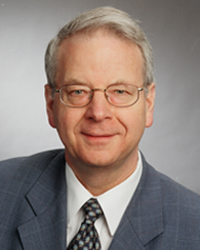 Prof. Dr.-Ing. Gerhard SEDLACEK, was a leading and opinion-forming person in various ECCS technical committees and subcommittees. He was one of the most active person in the European steel research sector as well as in the European codification field. His various activities covered a huge range beginning from intelligent design of steel and composite structures to researching, applying of research results, safety requirements, teaching and training of students and engineers, promotion and developing of steel structures and design tools for a better market share.
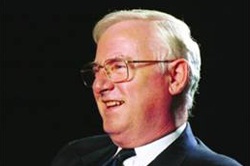 Professor Patrick DOWLING started his working life as an employee of BCSA and subsequently worked both in industry and academia. He was extensively involved with ECCS in plate buckling research and was Chairman of the CEN Eurocode 3 Committee.
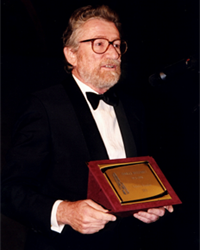 When awarded, Professor Federico MAZZOLANI was Director of the “Institute of Technique of Construction” at the Engineering Faculty of Naples, Italy. Born in Milan, in 1938, and graduated in Civil Engineering at the University of Naples, Prof. Federico M. Mazzolani co-operated since 1970 with ECCS, assuming the responsibility of Committee chairmanship. His activity has been characterised by the issue of several fundamental documents, which played a leader role in the development of the European codification at the level of both national codes and Eurocodes.
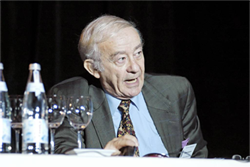 Scientific Manager and Deputy General Manager of the French Technical and Industrial Centre of Steel Construction (CTICM), Professor Jacques BROZZETTI contributed highly to the development of the European Steel Construction. He had a long involvement with various research projects including stability problems, composite construction, fatigue and fire behaviour of steel structures. As a result, he had been involved with many Codes and design guides comprising writing activities. He worked with the profession to promote the steel construction on its various aspects.
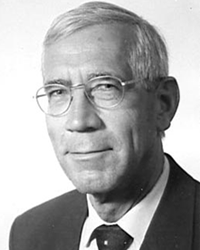 Prof. Jan W.B. STARK, from the University of Delft, The Netherlands, had made substantial contributions to the construction industry in general, and more specifically with regard to steel and composite structures. For many years, he had been an active member of CEN and served ECCS in various committees. The Charles Massonnet Award was presented to him to express our gratitude for his high standard and valuable contribution to the steel construction industry.
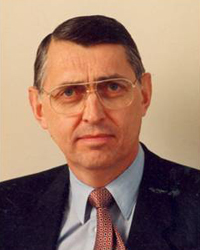 Close collaborator of Professor Charles Massonnet, Professor René MAQUOI, was awarded in recognition of his efforts for the development of steel and composite construction. Indeed, Professor Massonnet was his “master” and conducted his first step in the ECCS activities.
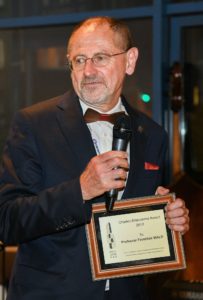 Frantisek Wald concentrates on the connection and fire design of steel structures. He prepared the component model for column bases and the component based finite element model of joints. He works in ECCS Technical Committee 10 - Structural joints and in Project team for preparation of standard - EN 1993-1-8:2020.