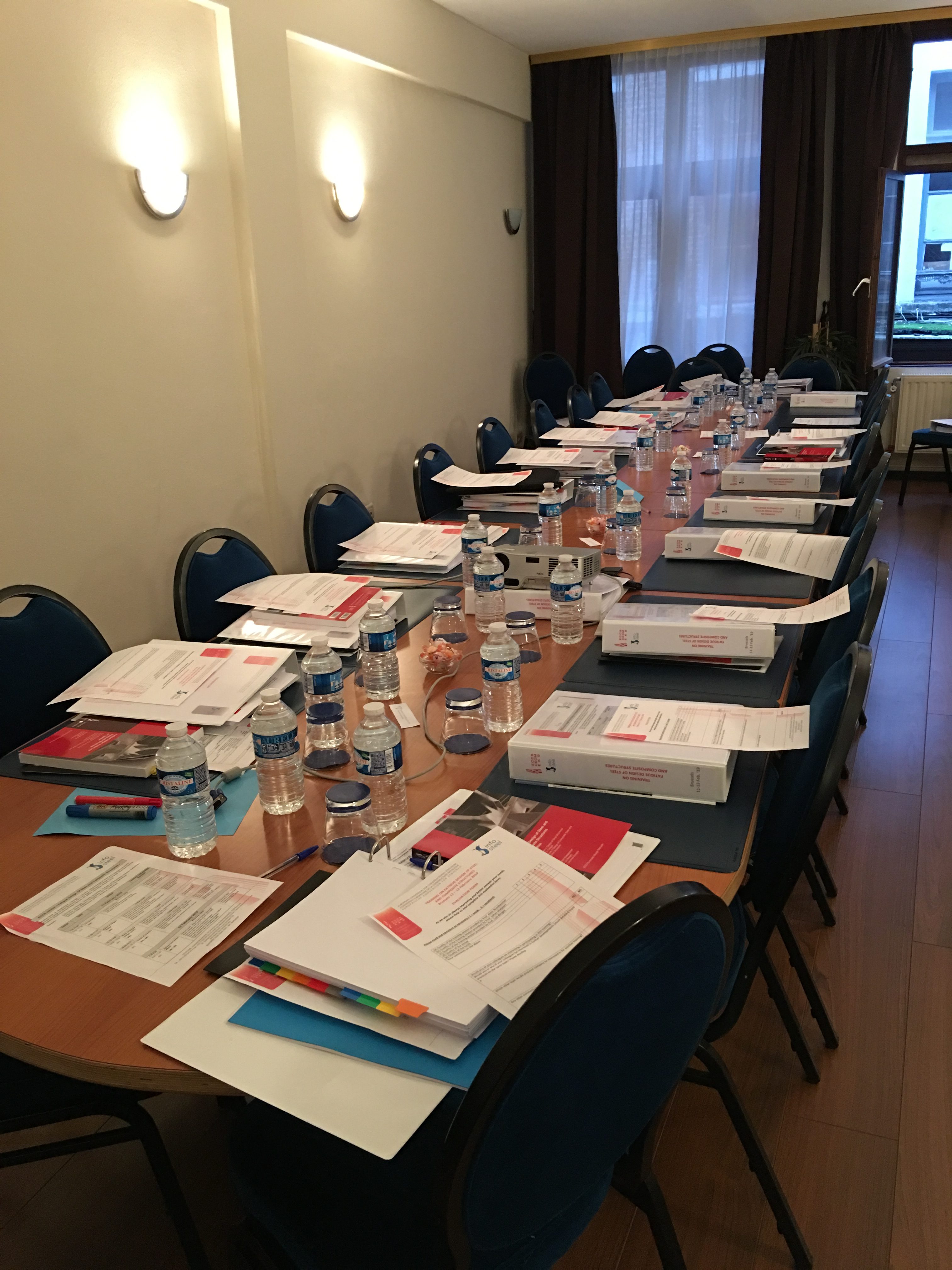
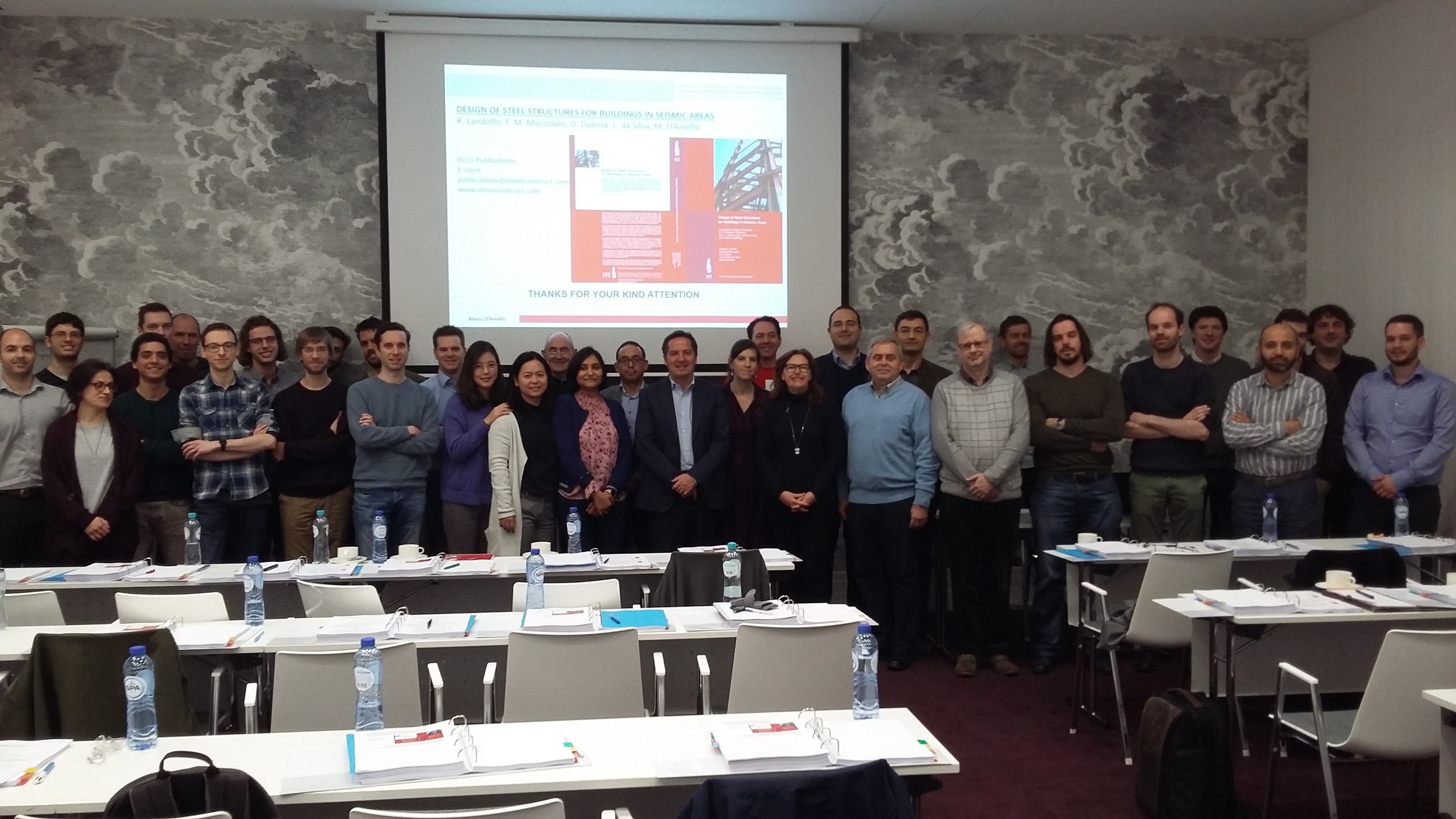
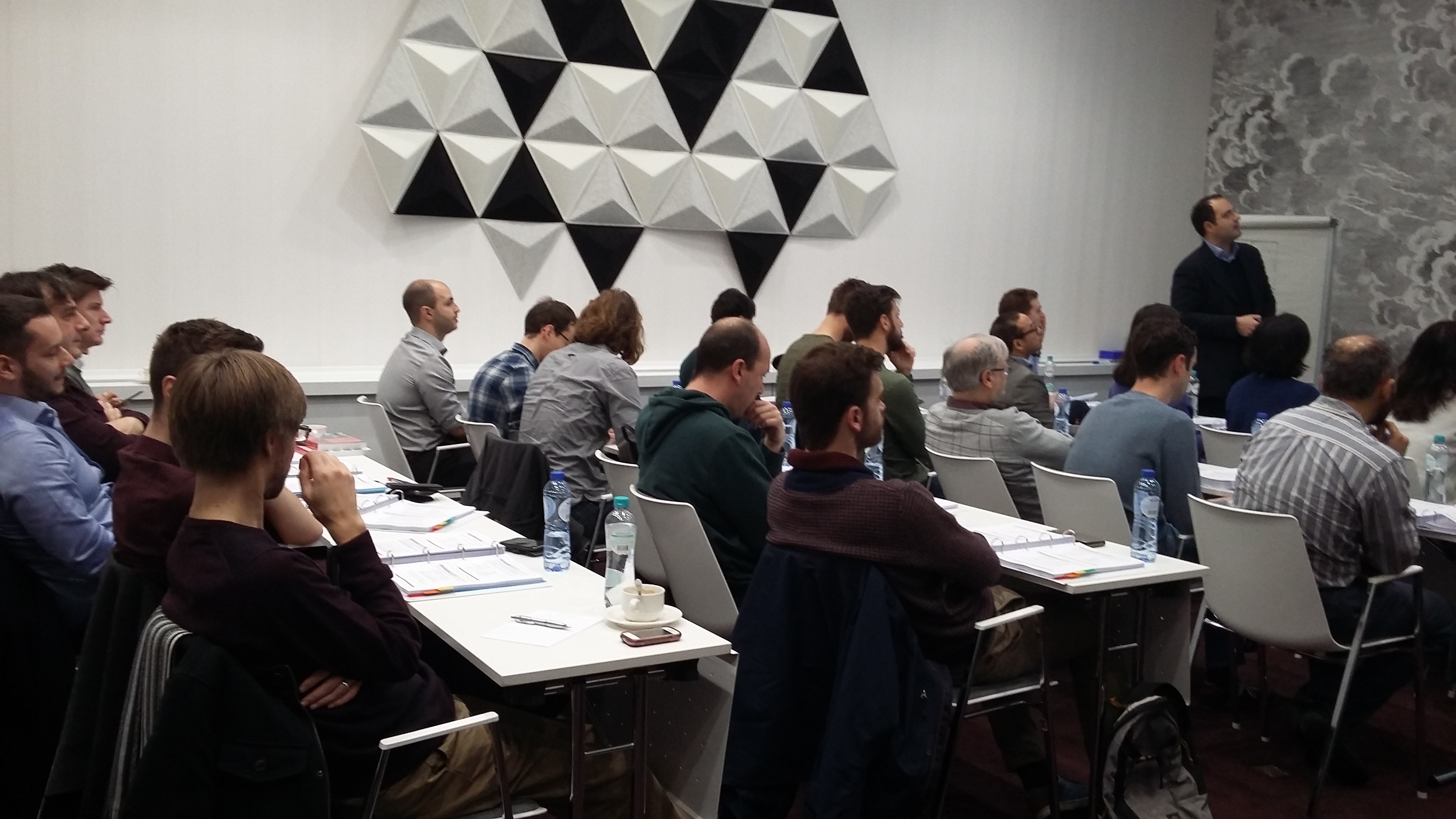
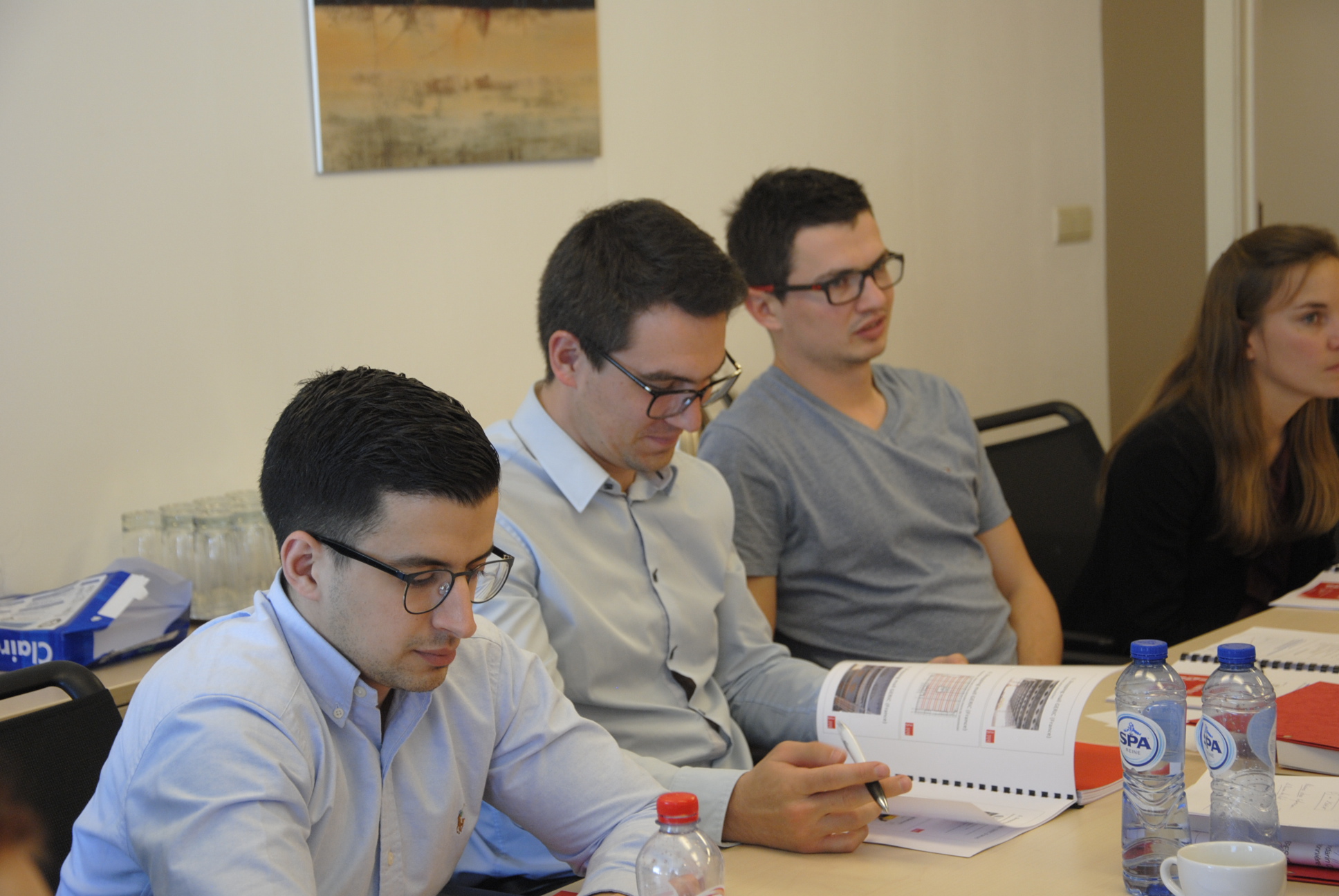
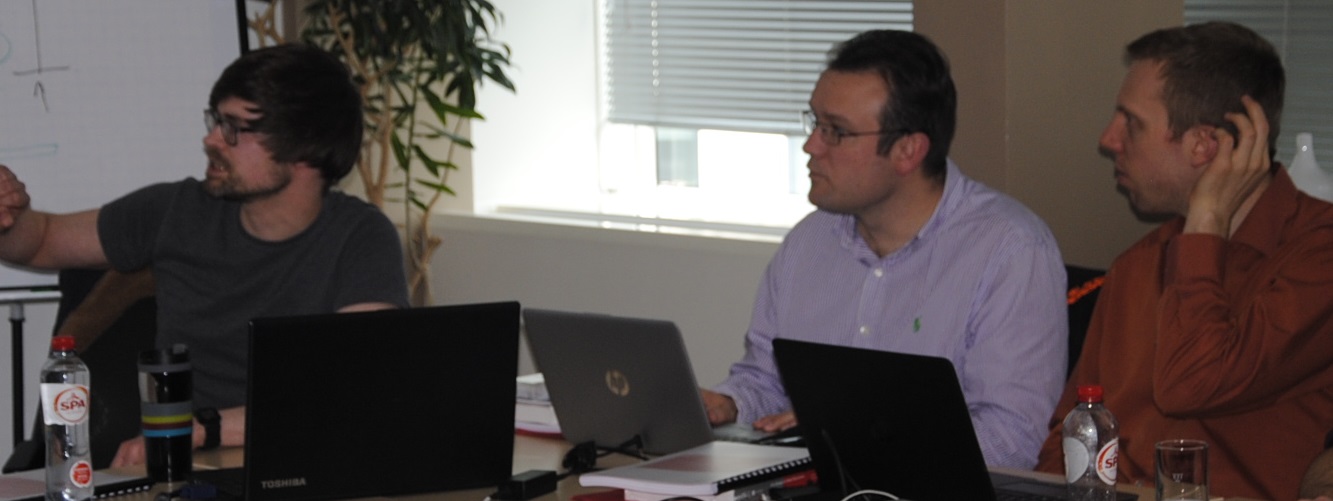
 24 January - 16 February 2023
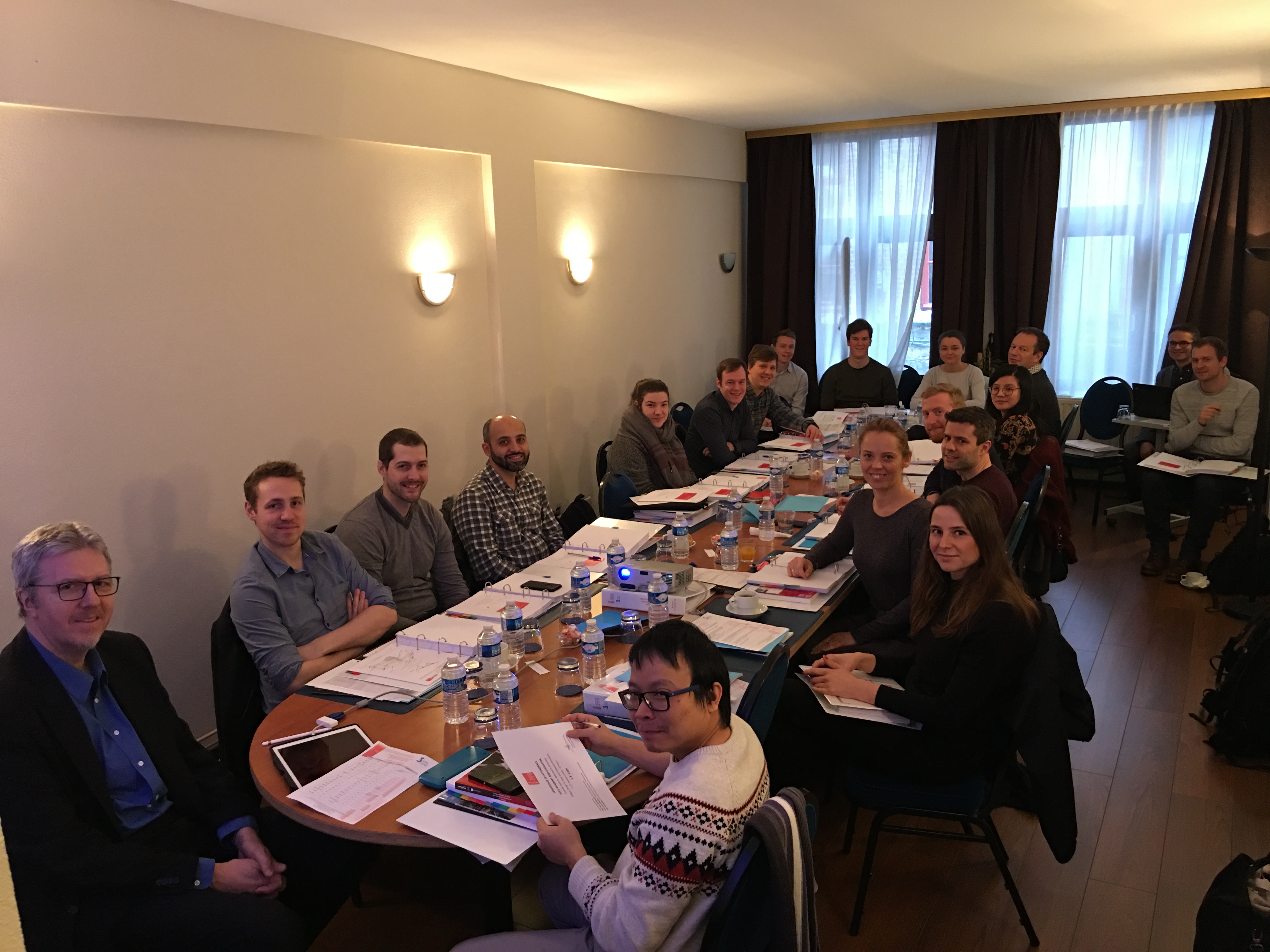
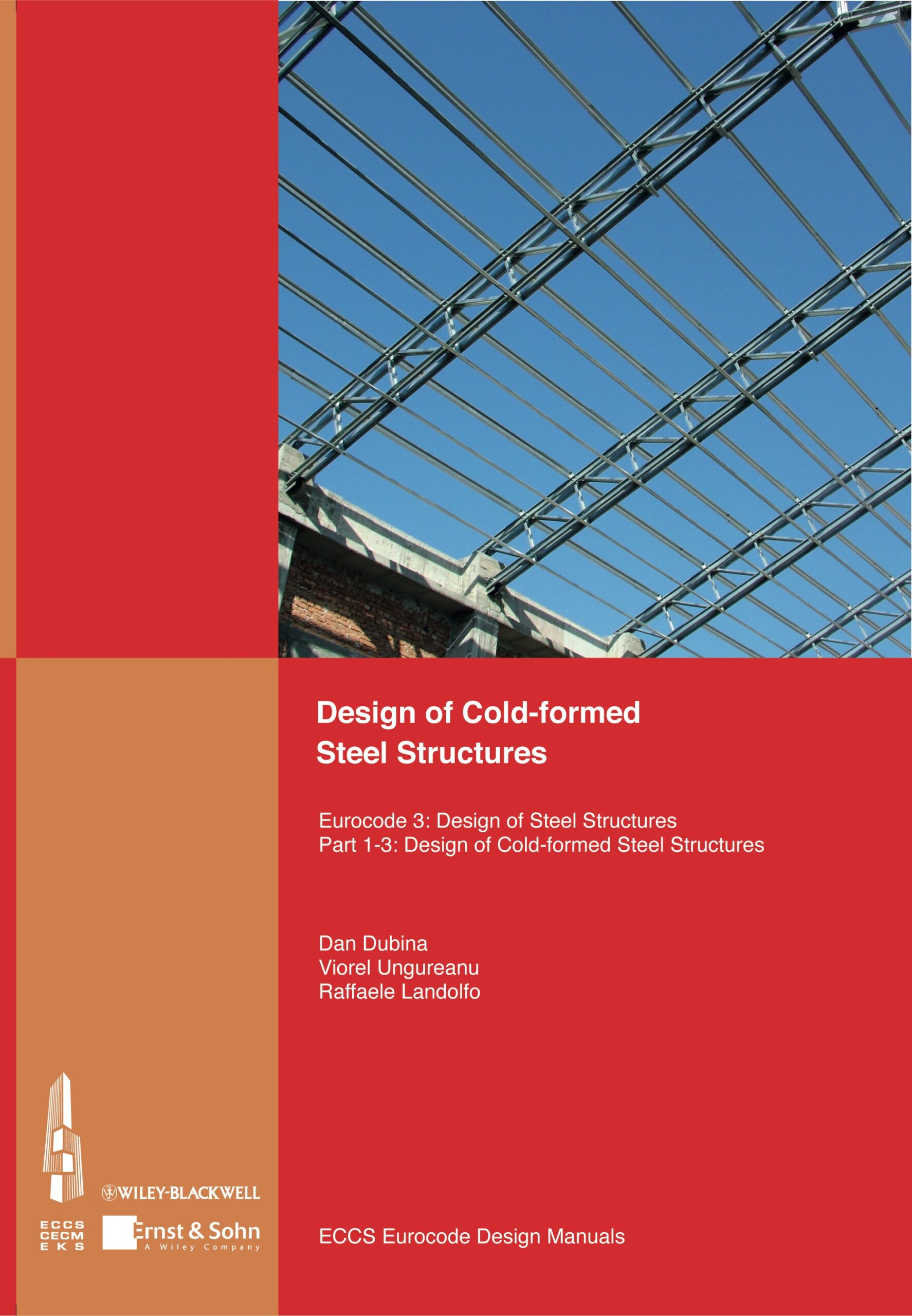 These 90-minute sessions were dedicated to the presentation of the Design of Cold-Formed Steel Structures (Eurocode 3 Design of steel structures Part: 1-3)
Presentations were given by the authors of the Manual Guide
07 December 2021
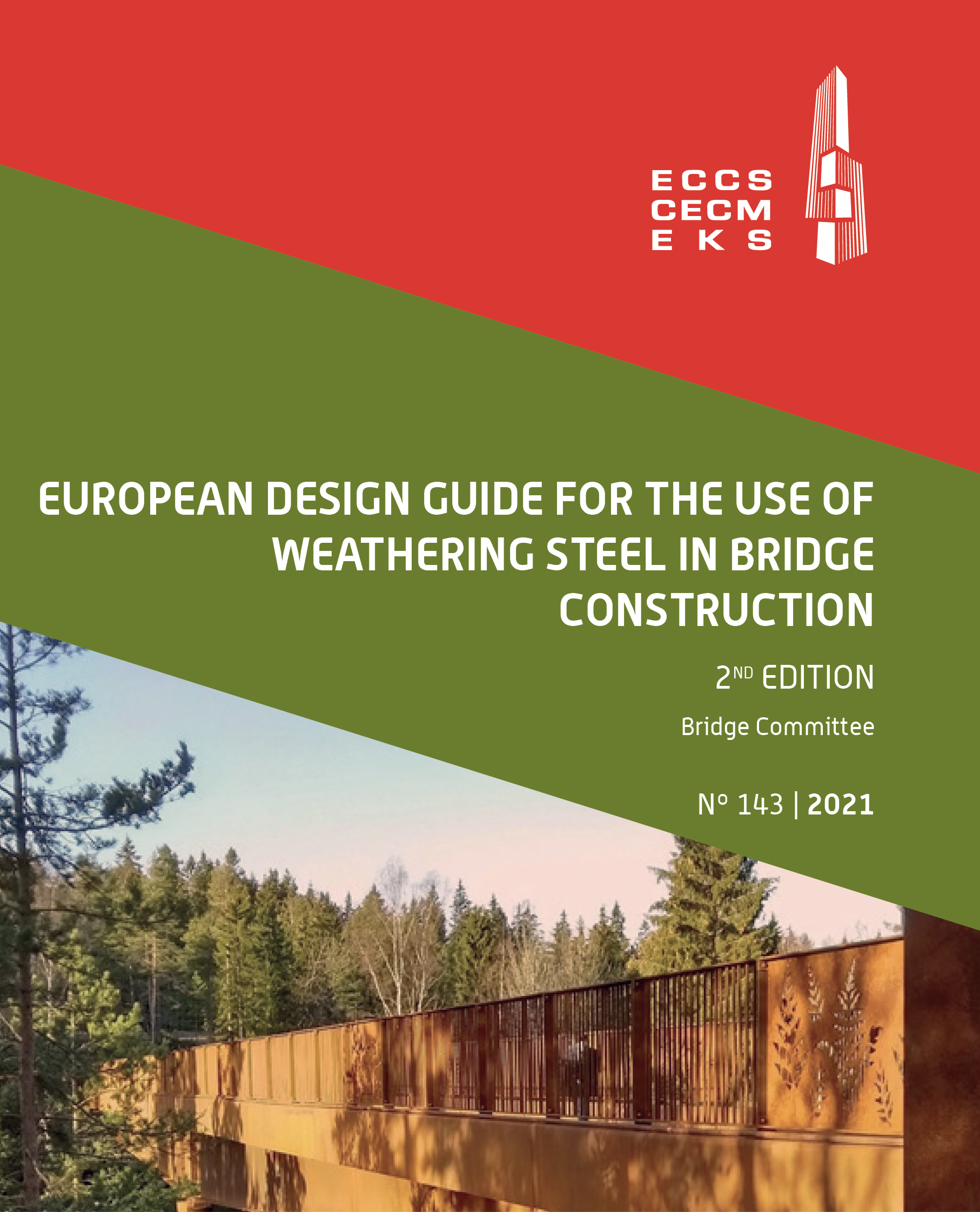 This webinar was dedicated to the presentation of the European design guide for the use of weathering steel in bridge construction
Presentations were given by the authors of the Manual Guide
The guide is available here.
08 June - 01 July 2021
These 90-minute sessions were dedicated to the presentation of the Design of Cold-Formed Steel Structures (Eurocode 3 Design of steel structures Part: 1-3)
Presentations were given by the authors of the Manual Guide
16 February - 11 March 2021
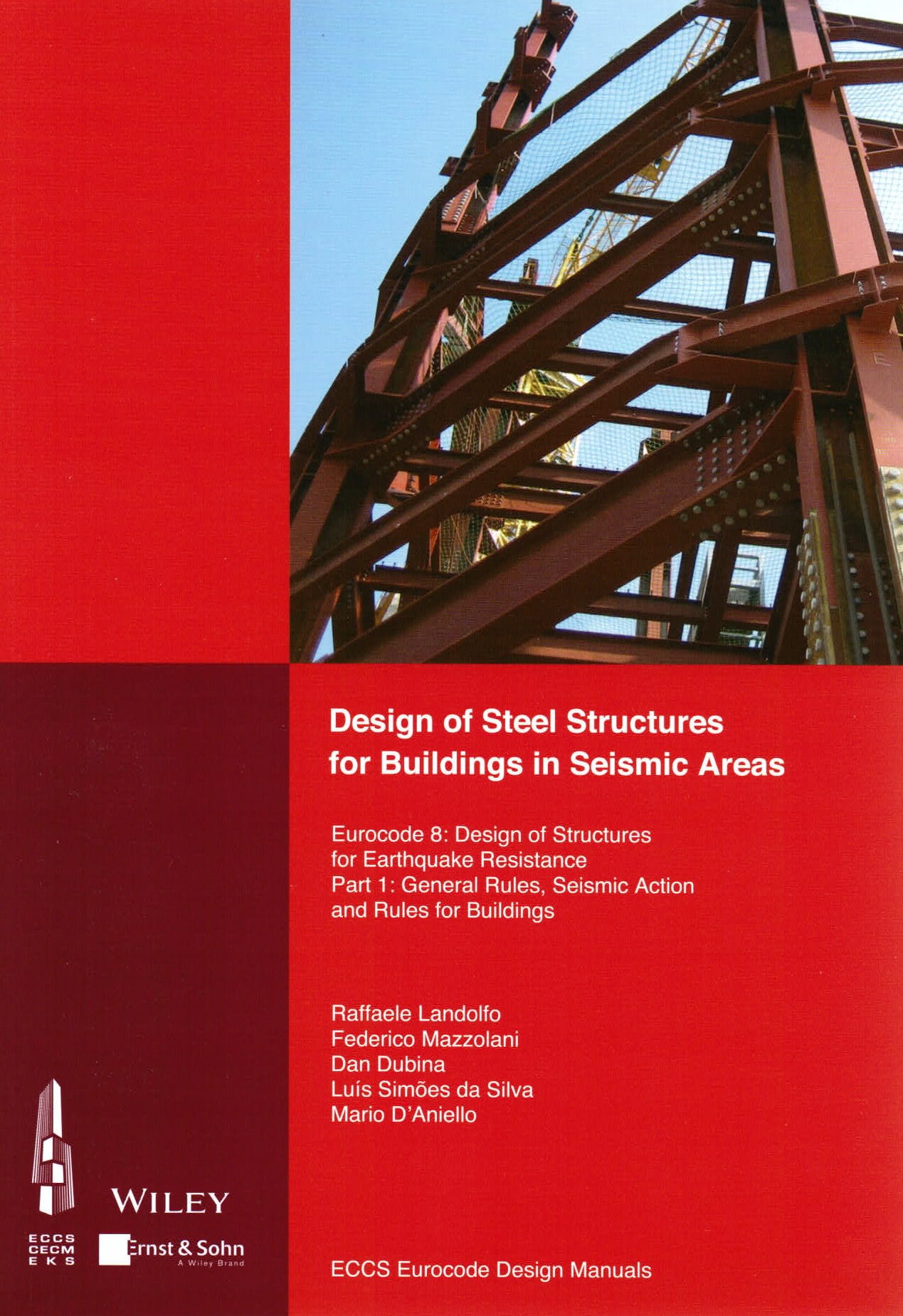 These 90-minute sessions were dedicated to the Eurocode 8 "Design of Structures fro Earthquake Resistance" part 1 "General Rules, seismic Action and Rules for Buildings"
Presentations were given by the authors of the Manual Guide
28 and 29 January 2020
This two-day session was dedicated to the presentation of the Eurocode 8 "Design of Structures fro Earthquake Resistance" part 1 "General Rules, seismic Action and Rules for Buildings"
Presentations were given by the authors of the Manual Guide
27 and 28 May 2019
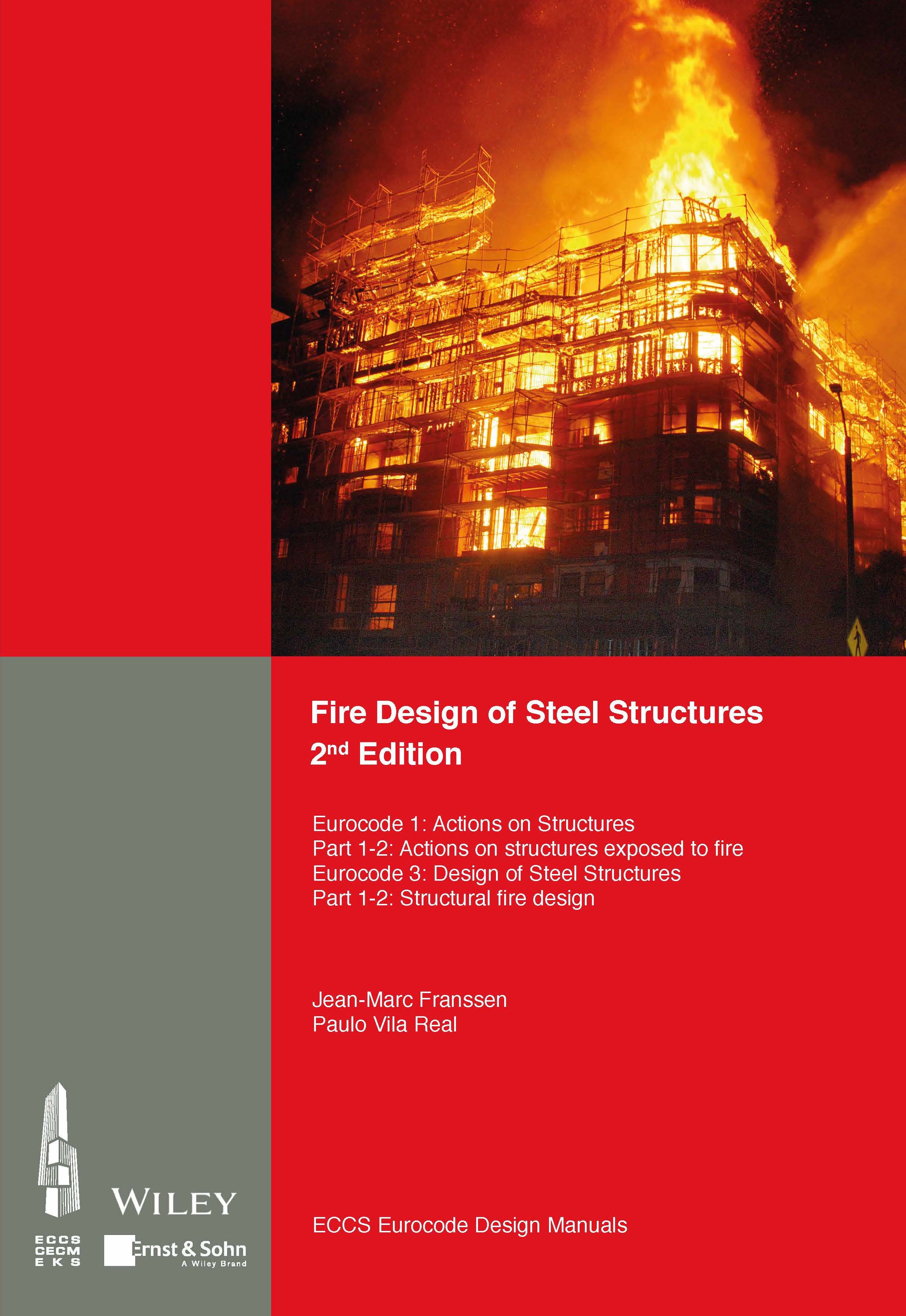
This two-day course will present the fundamental concepts for fire design of steel structures using Simplified Calculation Methods according to EN 1991-1-2 and EN 1993-1-2 and Advanced Calculation Methods based on the Finite Element Method.
A presentation of the fire resistance of steel members and connections, followed by a full description of the capabilities of the software Elefir-EN, a software for fire design of steel structural members according to Eurocode 3, which is licensed to the purchasers of the ECCS book Fire Design of Steel Structures will be given. The participants, using the software Elefir EN installed in their own laptop computers, will solve examples from the ECCS book. A practical case study, where the calculation of the thickness of the passive fire protection needed for a required fire resistance will be presented.
The main concepts used in advanced models based on the finite element method will be presented. The presentations are not oriented to code developers; the objective is to give a better insight view to the users allowing them to make a better utilisation of numerical software. The concepts will be illustrated by some examples run with the software SAFIR®.
Presentations are given by the authors of the Manual Guide.
11, 12 and 13 February 2019
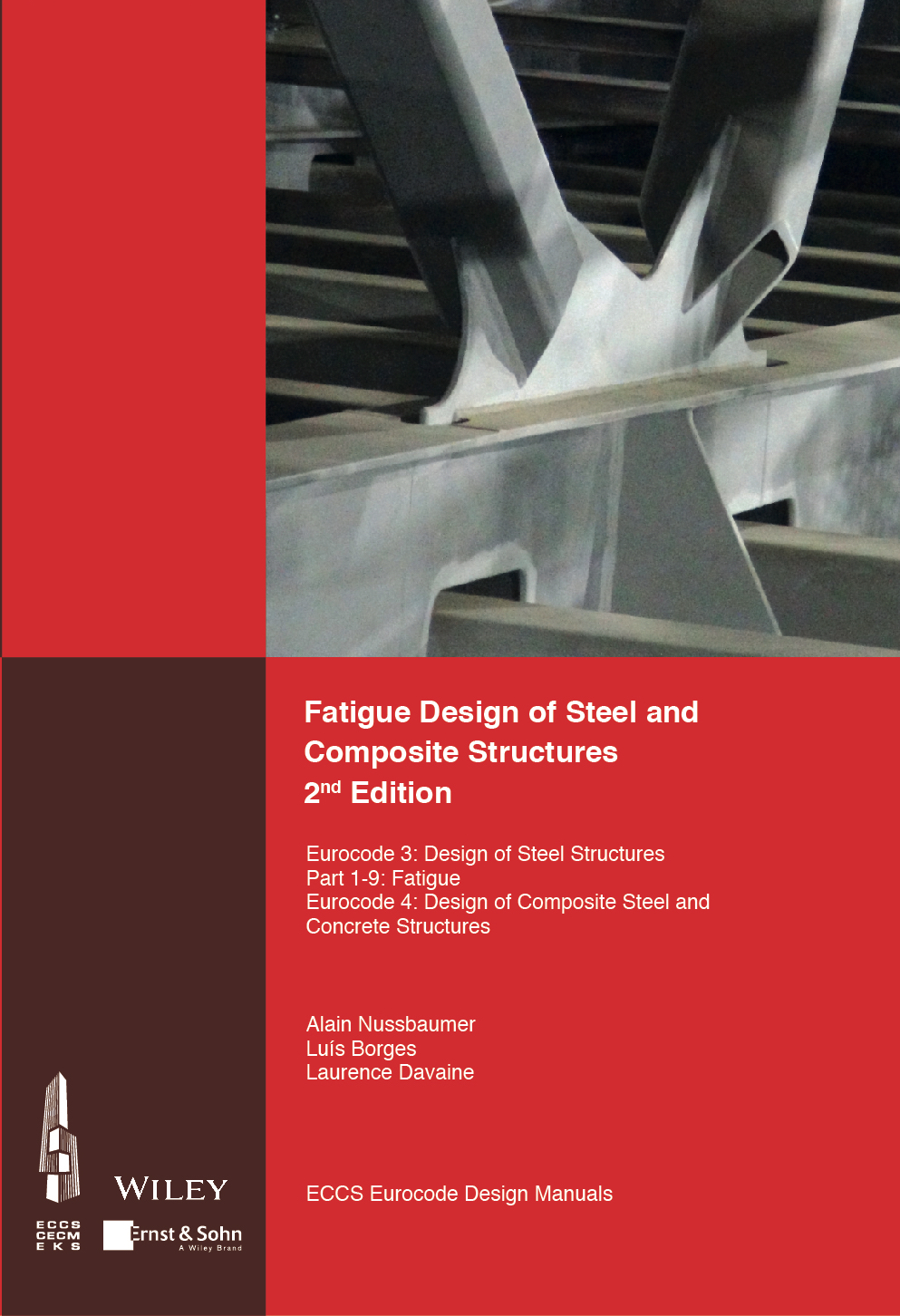
This three-day session is dedicated to the presentation of the Eurocode 3: Design of Steel Structures, Part 1-9 Fatigue 2nd Ed.
Presentations are given by the authors of the Manual Guide.
Pictures:
6 and 7 December 2018
22 March and 26 April 2018
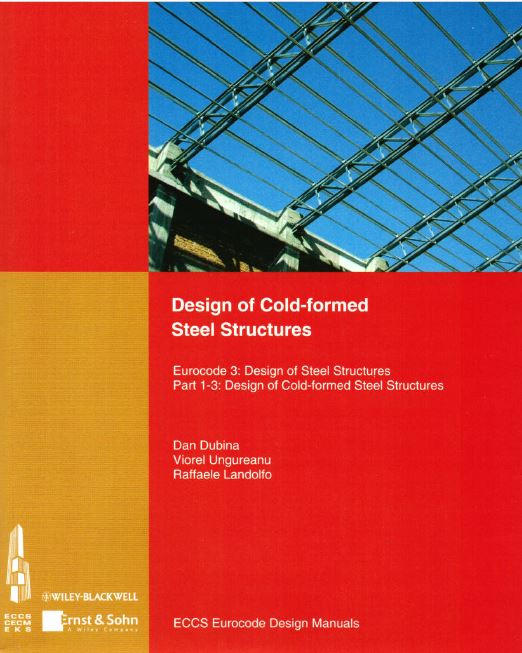 This two-day session is dedicated first to the presentation of subjects for design applications, including presentations of some relevant model design cases.
The first day was dedicated to calculations and detail drawings, accompanied by relevant explanations. Trainees will be attributed cases to prepare and deliver between the 2 sessions.
The second day will be for presentations and discussions of results of assessments,
followed by a Q/A session.
This two-day session is dedicated first to the presentation of subjects for design applications, including presentations of some relevant model design cases.
The first day was dedicated to calculations and detail drawings, accompanied by relevant explanations. Trainees will be attributed cases to prepare and deliver between the 2 sessions.
The second day will be for presentations and discussions of results of assessments,
followed by a Q/A session.
16 January 2018
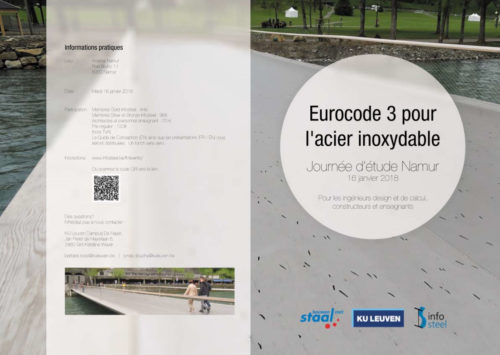 Bien que l'acier inoxydable ne soit aujourd'hui pas souvent utilisé en tant qu'élément de structures, ce matériau gagne en popularité. L'acier inoxydable offre en effet de nombreux avantages tant sur le plan mécanique qu'esthétique. On peut penser que, vu son coût initial élevé, il est presqu'impossible que l'acier inoxydable, en tant qu'élément structurel, soit un matériau compétitif par rapport à l'acier carbone. Pourtant les analyses de coût sur le cycle de vie démontrent le contraire. A côté des propriétés physiques et mécaniques et des règles de dimensionnement suivant l'Eurocode 3, les applications de l'acier inoxydable dans le domaine de la construction seront présentées lors de ce séminaire.
Venue : Arsenal Namur - Rue Bruno 11 - 5000 Namur
Organized by Infosteel ([email protected])
The event will be only in French!
8 December 2017
ECCS, the European Convention for Constructional Steelwork, is proud to invite you to its training on the design of cold formed steel structures given by the authors themselves.
WHO SHOULD BE INTERESTED? Architects, engineers, design offices and steel contractors
DON’T MISS THIS OPPORTUNITY to improve your knowledge on the subject and meet your business partners!
Contact Sophie DELAIR, ECCS Communications Manager, for any further information. [email protected]
28 November 2017
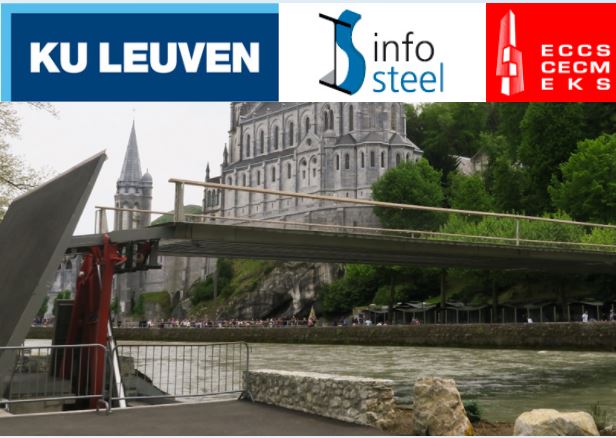 Hoewel het gebruik van roestvast staal (RVS) als structureel element nog geen primaire keuze is, wint het materiaal de laatste jaren aan populariteit. Zo biedt RVS uitstekende eigenschappen zowel op technisch als esthetisch vlak. De aankoopprijs van RVS kan onterecht laten uitschijnen dat een economisch voordeel in vergelijking met het gekende koolstofstaal niet mogelijk is. Het segment “Life Cycle Cost Assessment” biedt duidelijkheid over de beoordelingsmethoden om correcte conclusies te destilleren in verband met economische voordelen. Het seminarie geeft een compleet overzicht van de eigenschappen van RVS aangevuld met de van toepassing zijnde ontwerpregels. Daarnaast worden succesvolle toepassingen gepresenteerd waaronder de “Passerelles à Lourde” door Greisch.
Venue: Hotel Princeville Breda, Princenhagelaan 5, 4813 DA Breda
www.bouwenmetstaal.nl/cursussen/construeren-met-rvs
23 March 2017
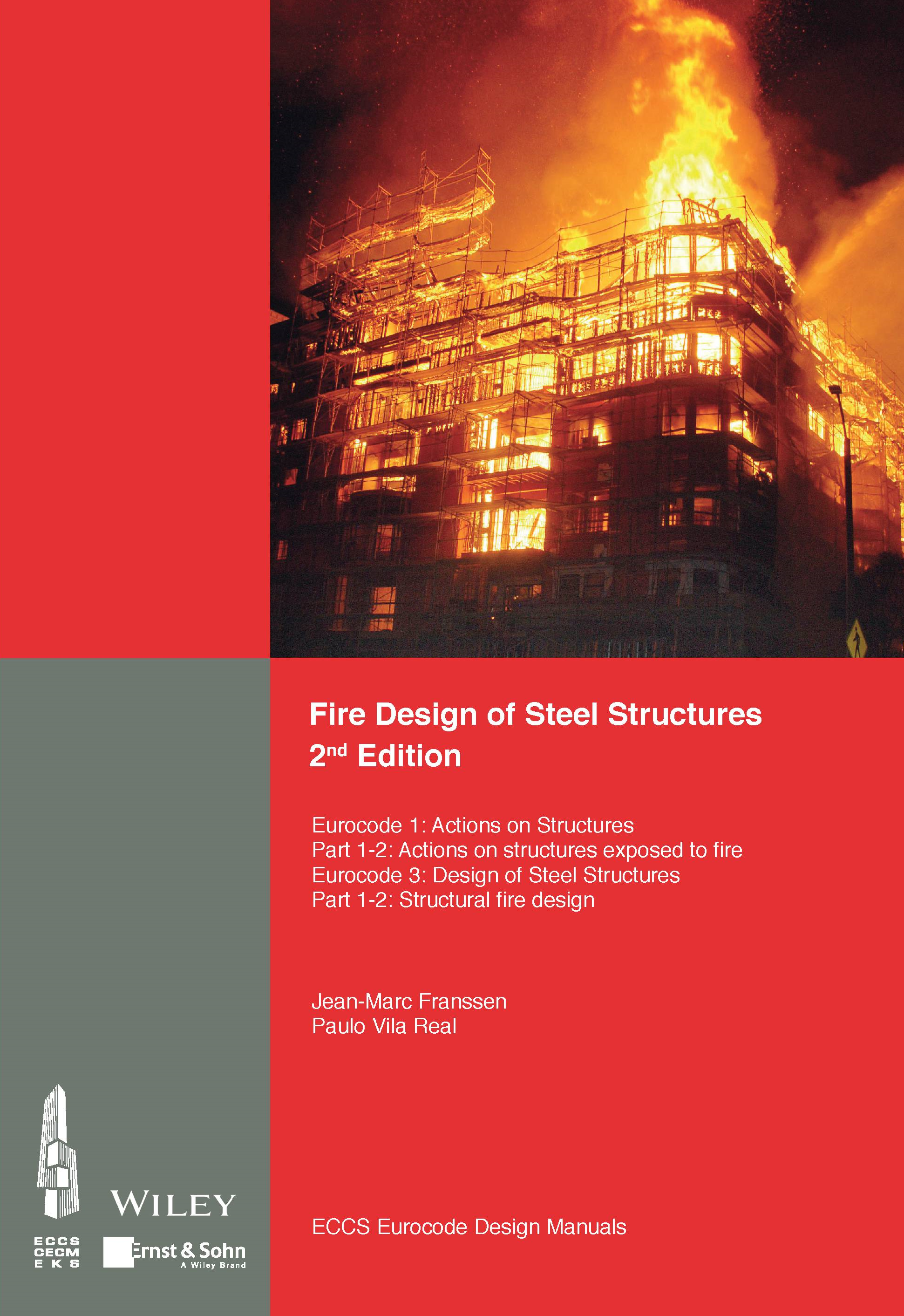 ECCS, the European Convention for Constructional Steelwork, is proud to invite you to its general training on fire design of steel structures.
OF INTEREST FOR Architects, engineers, design offices and steel contractors.
AN OPPORTUNITY to improve your knowledges on the subject and meet your business partners!
Pictures:
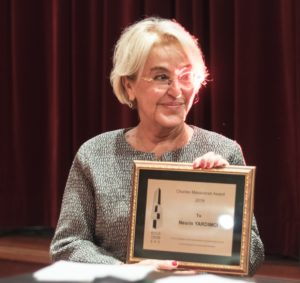
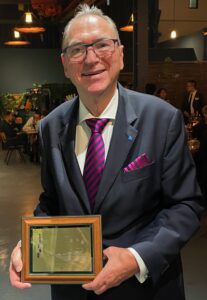
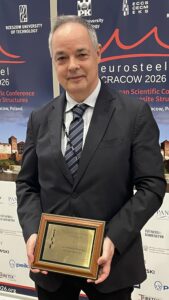
 Professor J.M. ROTTER was born in Chesterfield, England and graduated at Cambridge University when he was awarded a Commonwealth Scholarship to study in Australia. He got a PhD in civil engineering from the University of Sydney. His main specialty is the Buckling of Shells.
 Jouko KOUHI is expert in Connections, welding, stability and fatigue of steel structures. He has been an active member of various ECCS Technical Committees since 1979, working on ENV 1993 part 1.8 from 1999 to 2002.
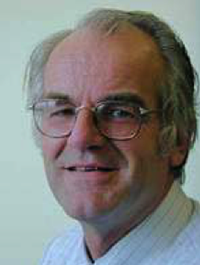 Frans BIJLAARD, Professor of steel structures at the Faculty of Civil Engineering & Geosciences at Delft University of Technology. His main specialties are on stability of steel structures, structural behaviour of joints in steel structures and design of greenhouses.
 The involvement of Professor Jean Pierre MUZEAU in Education and his strong motivation in promoting the use of steel in construction over his career have to be underlined. He has been qualified as “Passeur de Connaissances” (Ndt : conveyor of knowledge) by the Members of the Jury who have underlined his prominent role among the young generations of civil engineers.
 Prof. Joachim LINDNER got a 40-year academic career and extensive experience in civil engineering from lateral torsional buckling through contact splices, historical grey cast iron columns, fatigue behaviour, stability design of glass-beams, scaffolding design, crane girders, plate buckling problems, composite beams and columns, corrugated webs, connection problems and imperfection regulations. He signed around 220 publications.
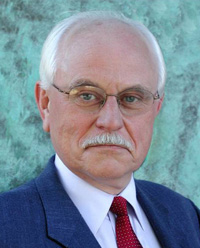 Professor Reidar BJORHOVDE has an impressive academic background, including two Ph.D. in the area of Civil Engineering, and a remarkable professional career which includes several years as a Professor in various universities in North America. He also been the Director of Bjorhovde Group since 1998.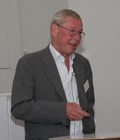
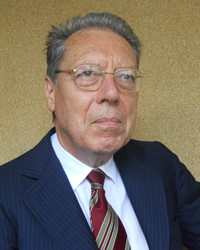 Professor Carlo URBANO has been active on ECCS committee “Stability of steel structures” since 1975. He has been also present on CEN, IABSE, SSRC committees. Graduated at the Politecnico di Milano in 1963, he dedicated his career to the “Strength of Materials”. He developed scientific research mainly on the general theory of elasticity, stability of elastic equilibrium, response to dynamics and elastoplastic vibrations, shell structures, solutions for steel and reinforced structures. Lately, he has focused his works on the elastic and elastoplastic stability of compressed simple or composed steel members in the presence of mechanical and geometrical imperfections and damages due to cyclic actions. He is the author of an incredible number of papers and publications.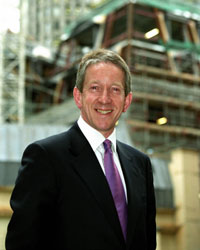
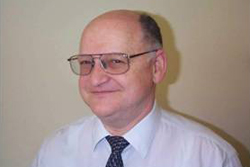 Prof. Ing. Jean-Baptiste SCHLEICH will always be recognised as "Mr Fire” of Europe. He was the leading professor in the development of the "Natural Fire Safety Concept". Under his leadership, the relationship of the fire load to the risk to a structure and its occupants was researched and tested. It is due to his work that structures can now be fire engineered with a significant benefit to the industry, building owners and users.
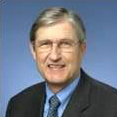 Professor Manfred HIRT had been member of the various ECCS Technical Committees. He wrote more than 130 publications as author or co-author. Director of the Steel Structures Laboratory (ICOM) of the Swiss Federal Institute of Technology at Lausanne (EPFL), Prof. Hirt was known on the international scene for his expertise in the field of fatigue and fracture mechanics of steel structures, loads and action on structures, structural safety and serviceability and steel-concrete composite construction. In August 2003, he had been elected President of the International Association for Bridge and Structural Engineering (IABSE).
 Professor Giulio BALLIO was born in Rome, on 4 March 1940, and graduated in Aeronautical Engineering at the “Politecnico of Milan”, in 1963. He was Ordinario of the Science of Construction at Pavia University and, subsequently, of Construction in Steel at the Politecnico of Milan, where he has also been responsible, since 1985, for the Material Tests Laboratory.
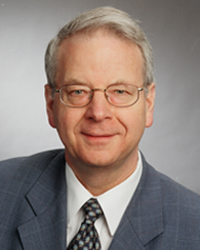 Prof. Dr.-Ing. Gerhard SEDLACEK, was a leading and opinion-forming person in various ECCS technical committees and subcommittees. He was one of the most active person in the European steel research sector as well as in the European codification field. His various activities covered a huge range beginning from intelligent design of steel and composite structures to researching, applying of research results, safety requirements, teaching and training of students and engineers, promotion and developing of steel structures and design tools for a better market share.
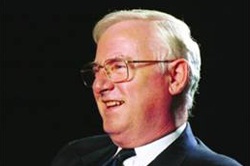 Professor Patrick DOWLING started his working life as an employee of BCSA and subsequently worked both in industry and academia. He was extensively involved with ECCS in plate buckling research and was Chairman of the CEN Eurocode 3 Committee.
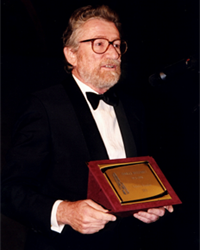 When awarded, Professor Federico MAZZOLANI was Director of the “Institute of Technique of Construction” at the Engineering Faculty of Naples, Italy. Born in Milan, in 1938, and graduated in Civil Engineering at the University of Naples, Prof. Federico M. Mazzolani co-operated since 1970 with ECCS, assuming the responsibility of Committee chairmanship. His activity has been characterised by the issue of several fundamental documents, which played a leader role in the development of the European codification at the level of both national codes and Eurocodes.
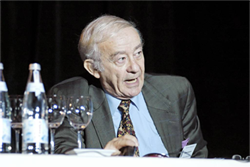 Scientific Manager and Deputy General Manager of the French Technical and Industrial Centre of Steel Construction (CTICM), Professor Jacques BROZZETTI contributed highly to the development of the European Steel Construction. He had a long involvement with various research projects including stability problems, composite construction, fatigue and fire behaviour of steel structures. As a result, he had been involved with many Codes and design guides comprising writing activities. He worked with the profession to promote the steel construction on its various aspects.
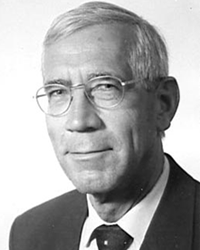 Prof. Jan W.B. STARK, from the University of Delft, The Netherlands, had made substantial contributions to the construction industry in general, and more specifically with regard to steel and composite structures. For many years, he had been an active member of CEN and served ECCS in various committees. The Charles Massonnet Award was presented to him to express our gratitude for his high standard and valuable contribution to the steel construction industry.
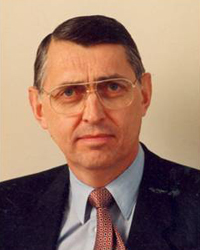 Close collaborator of Professor Charles Massonnet, Professor René MAQUOI, was awarded in recognition of his efforts for the development of steel and composite construction. Indeed, Professor Massonnet was his “master” and conducted his first step in the ECCS activities.
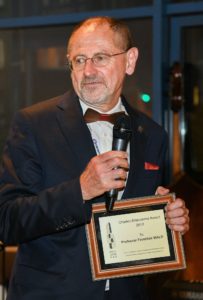 Frantisek Wald concentrates on the connection and fire design of steel structures. He prepared the component model for column bases and the component based finite element model of joints. He works in ECCS Technical Committee 10 - Structural joints and in Project team for preparation of standard - EN 1993-1-8:2020.