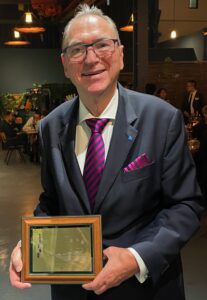
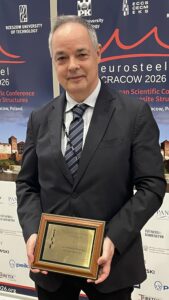
The European Steel Design Awards have been given today in parallel to the EUROSTEEL conference taking place in Copenhagen. Every two years the European Convention for Constructional Steelwork (ECCS) celebrates Europe's best, most creative and outstanding use of steel in architecture and construction. The awards are dedicated to the owners, the architects, the engineers and the steelwork contractor.
Today 11 Awards of Merit were presented to the winners from 11 European countries, selected by an international jury from a number of nominated projects.
The International Jury 2017 was:
- Jørn Nielsen, Danish Steel Institute, ECCS President
- Lasse Kilvær, Chairman of Awards and Architecture Committee, representing PMB, Norway
- Luciano Lazzari, Architect, President of the Architect’s Council Europe, Italy
- Ulrik Støttrup-Andersen, Technical Director Rambøll, Civil Engineer, Denmark
- Michael Krarup, Architect Gottlieb Paludan, Denmark
- Sophie Delair, ECCS Communications Manager
Steel has a high potential in terms of strength, durability, design flexibility, adaptability, recyclability and reusability, reflected in the great variety of awarded projects. Today’s cities evolve quickly and buildings need to evolve with them. Steel is the perfect material for reaching a circular economy while leaving the necessary room for creativity in design.
The ECCS Steel Design Awards of Merit 2017 winners are:
AUSTRIA
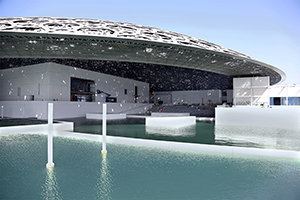
Oasis of the Light – The Dome of the Louvre Abu Dhabi
CZECH REPUBLIC
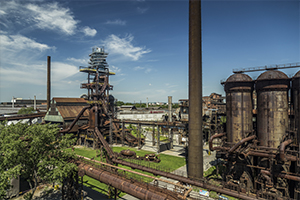
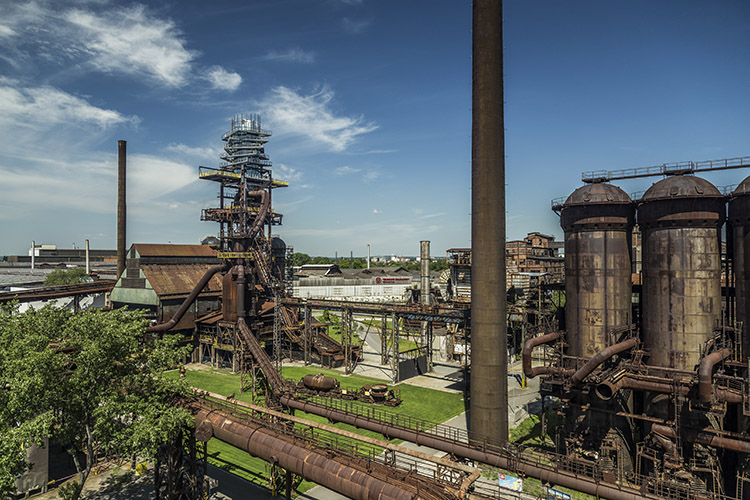
Bolt Tower in Ostrava-Vitkovice
DENMARK
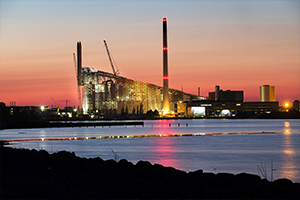
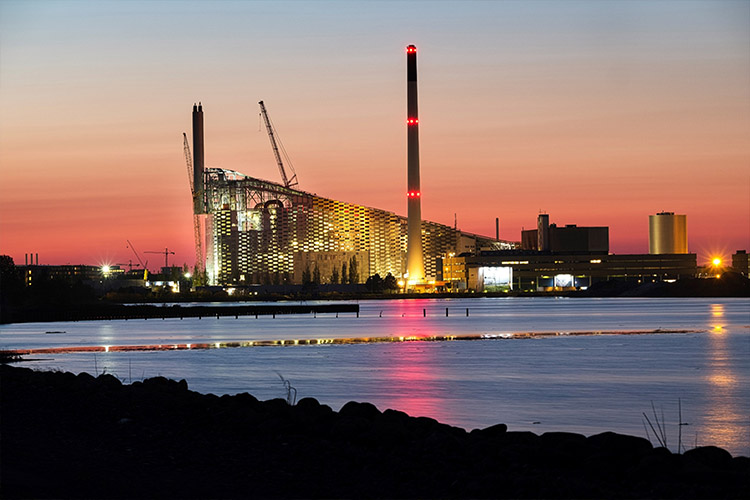
Amager Bakke
FINLAND
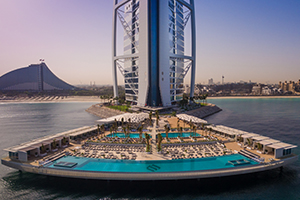
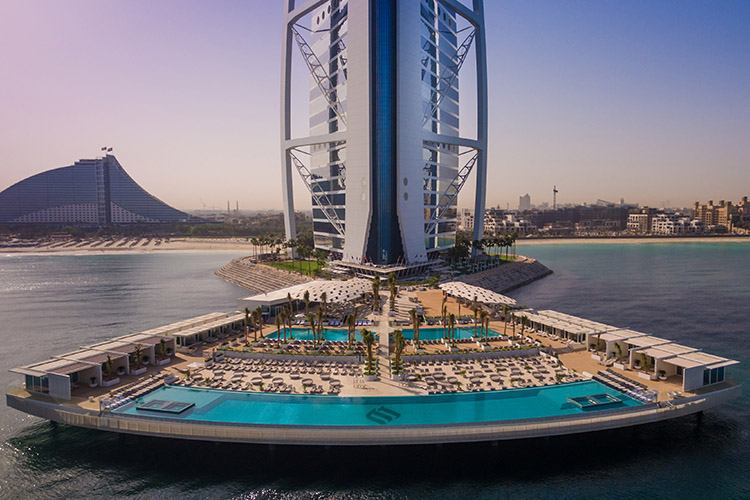
Burj Al Arab Terrace
FRANCE
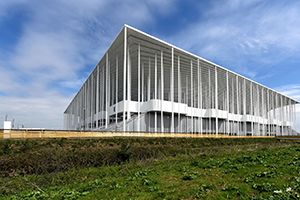
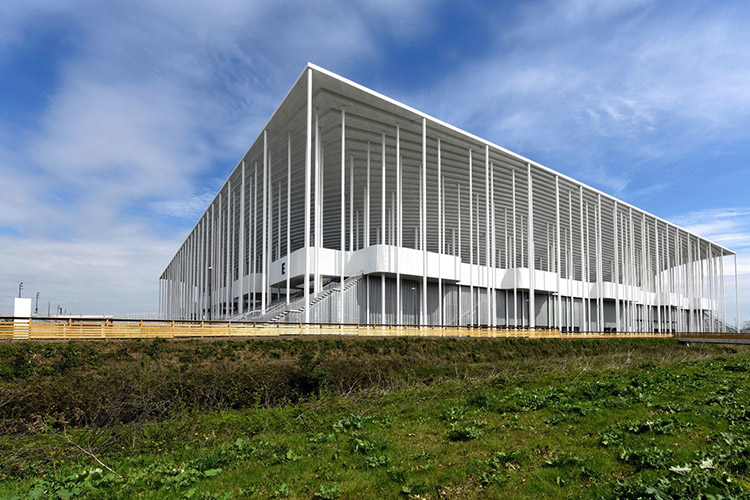
Bordeaux Stadium/ Nouveau Stade de Bordeaux
GERMANY
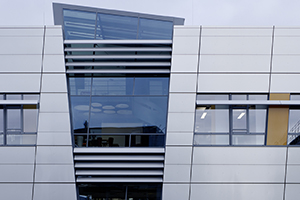
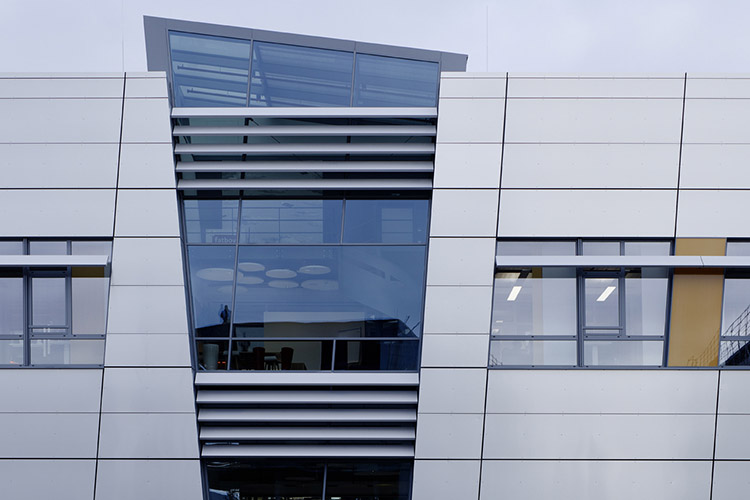
Sartorius Building 13
NETHERLANDS
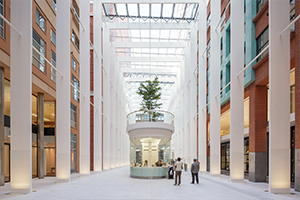
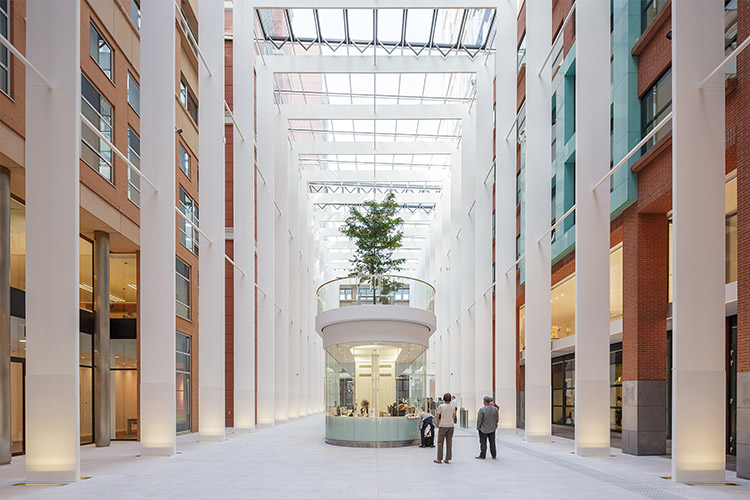
Atrium in Office Complex De Resident
NORWAY
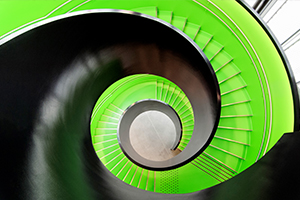
Kimen Kulturhus
PORTUGAL
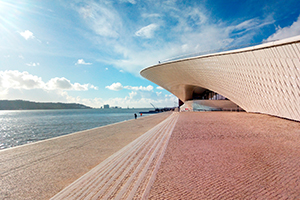
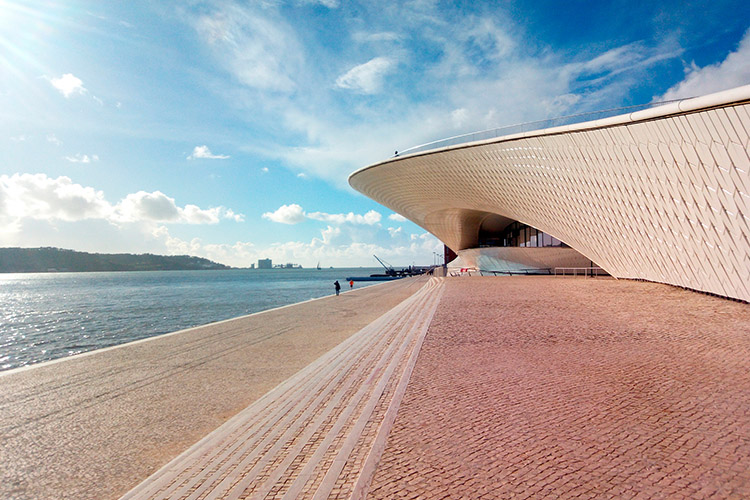
Museum of Art, Architecture and Technology
SWEDEN
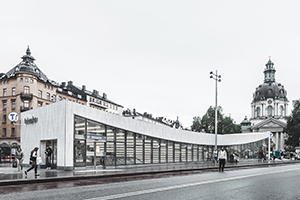
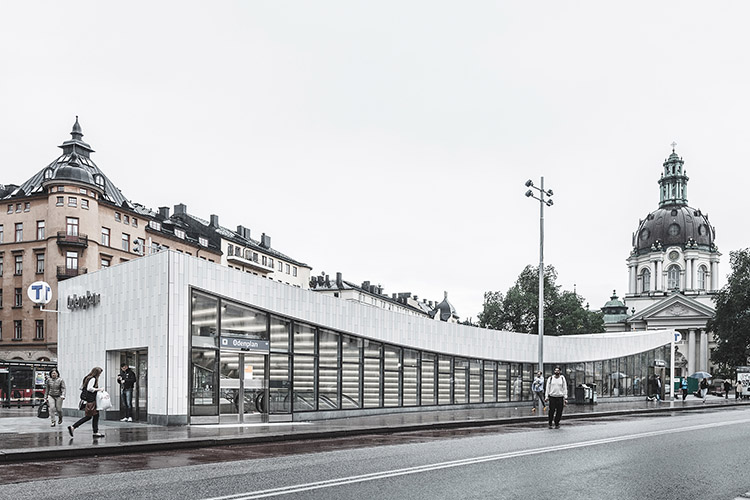
Odenplan
TURKEY
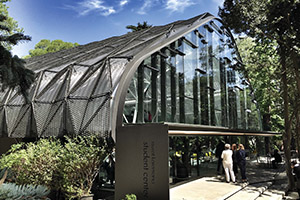
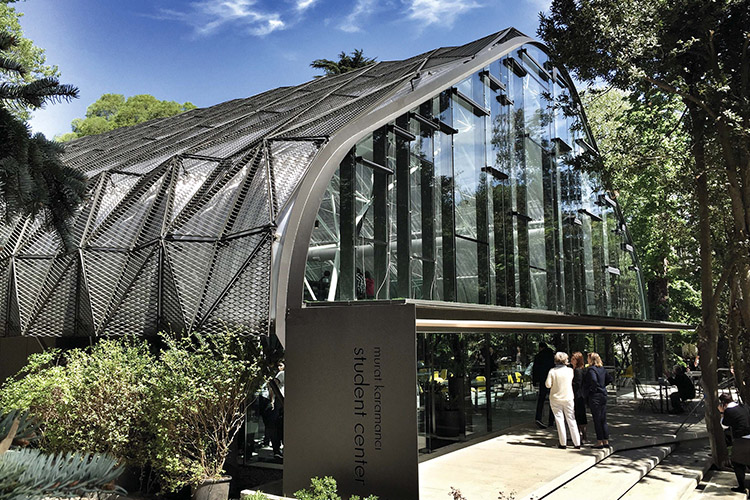
Murat Karamancı Student Center
The ECCS Steel Design Award of Excellence has been chosen among the winners of the ECCS Steel Design Awards of Merit. This year the winner is the Turkish project “Murat Karamanci Student Center”
The jury´s statement:
“The jury decided to award the general sustainability of the project, not for its structural complexity, but rather for its intelligent redesign and reuse of an existing structure. Mindful of legislative impositions, and the physical constraints on the site, it imaginatively reinterprets and creates an open, new social space. By reinforcing, substituting, and inserting new structural steel elements, such as the mezzanine floor, the internal space is completely remodeled. The structure functions as a didactic instrument, by simplifying and reducing the internal programme. The new translucent facade produces a striking aesthetic by day or night, resulting in a new quality and connection between the natural and the interior space. The triangulated shape also stabilizes the portal frame steel structure, yet maintaining a very lightweight impression. The load bearing steel structure is completely visible, and therefore easily understood and appreciated.”
This Award was delivered by the President of the Architects’ Council of Europe, Mr. Luciano Lazzari (in the right side).
Three Student Awards have also been given to students who dedicated time and interest into steel construction projects.
The STUDENT Awards 2017 winners are:
GERMANY: Jakob Grave (Krumer Steg)
NORWAY: Anders Haagaas Grinde
TURKEY: Bilal Torğul, İdris Demirli, Ümit Nurullah Yürük & Abdüsselam Şahin
This year, for the first time, a Public Award has been given thanks to the votes of the public on the ECCS Facebook page. ECCS is very proud to see the interest generated by this award, with more than 250.000 people reached. The Award has been given to Burj Al Arab Terrace, a Finnish project in Dubai.
European Steel Design Awards 2017 are published on www.sda2017.dk and on the ECCS website.
The material is copyright-free for press-release and publication referring to ECCS Steel Design Awards (no advertising).
Further information and pictures: www.steelconstruct.com
Véronique Dehan, ECCS Secretary General, [email protected]. - Tel: +32 2 762 04 29
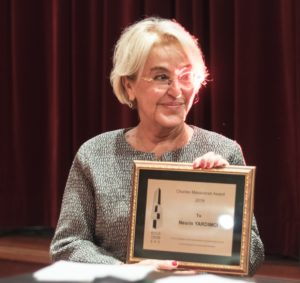
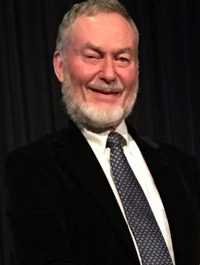 Professor J.M. ROTTER was born in Chesterfield, England and graduated at Cambridge University when he was awarded a Commonwealth Scholarship to study in Australia. He got a PhD in civil engineering from the University of Sydney. His main specialty is the Buckling of Shells.
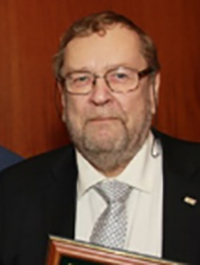 Jouko KOUHI is expert in Connections, welding, stability and fatigue of steel structures. He has been an active member of various ECCS Technical Committees since 1979, working on ENV 1993 part 1.8 from 1999 to 2002.
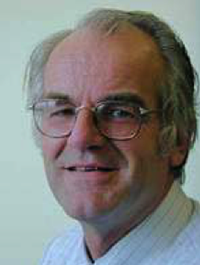 Frans BIJLAARD, Professor of steel structures at the Faculty of Civil Engineering & Geosciences at Delft University of Technology. His main specialties are on stability of steel structures, structural behaviour of joints in steel structures and design of greenhouses.
 The involvement of Professor Jean Pierre MUZEAU in Education and his strong motivation in promoting the use of steel in construction over his career have to be underlined. He has been qualified as “Passeur de Connaissances” (Ndt : conveyor of knowledge) by the Members of the Jury who have underlined his prominent role among the young generations of civil engineers.
 Prof. Joachim LINDNER got a 40-year academic career and extensive experience in civil engineering from lateral torsional buckling through contact splices, historical grey cast iron columns, fatigue behaviour, stability design of glass-beams, scaffolding design, crane girders, plate buckling problems, composite beams and columns, corrugated webs, connection problems and imperfection regulations. He signed around 220 publications.
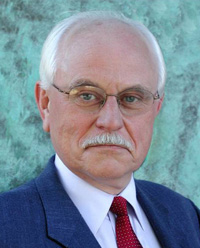 Professor Reidar BJORHOVDE has an impressive academic background, including two Ph.D. in the area of Civil Engineering, and a remarkable professional career which includes several years as a Professor in various universities in North America. He also been the Director of Bjorhovde Group since 1998.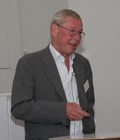
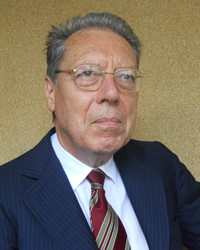 Professor Carlo URBANO has been active on ECCS committee “Stability of steel structures” since 1975. He has been also present on CEN, IABSE, SSRC committees. Graduated at the Politecnico di Milano in 1963, he dedicated his career to the “Strength of Materials”. He developed scientific research mainly on the general theory of elasticity, stability of elastic equilibrium, response to dynamics and elastoplastic vibrations, shell structures, solutions for steel and reinforced structures. Lately, he has focused his works on the elastic and elastoplastic stability of compressed simple or composed steel members in the presence of mechanical and geometrical imperfections and damages due to cyclic actions. He is the author of an incredible number of papers and publications.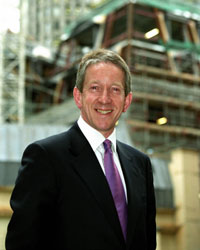
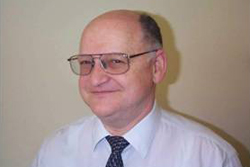 Prof. Ing. Jean-Baptiste SCHLEICH will always be recognised as "Mr Fire” of Europe. He was the leading professor in the development of the "Natural Fire Safety Concept". Under his leadership, the relationship of the fire load to the risk to a structure and its occupants was researched and tested. It is due to his work that structures can now be fire engineered with a significant benefit to the industry, building owners and users.
 Professor Manfred HIRT had been member of the various ECCS Technical Committees. He wrote more than 130 publications as author or co-author. Director of the Steel Structures Laboratory (ICOM) of the Swiss Federal Institute of Technology at Lausanne (EPFL), Prof. Hirt was known on the international scene for his expertise in the field of fatigue and fracture mechanics of steel structures, loads and action on structures, structural safety and serviceability and steel-concrete composite construction. In August 2003, he had been elected President of the International Association for Bridge and Structural Engineering (IABSE).
 Professor Giulio BALLIO was born in Rome, on 4 March 1940, and graduated in Aeronautical Engineering at the “Politecnico of Milan”, in 1963. He was Ordinario of the Science of Construction at Pavia University and, subsequently, of Construction in Steel at the Politecnico of Milan, where he has also been responsible, since 1985, for the Material Tests Laboratory.
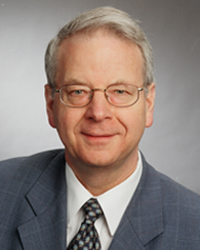 Prof. Dr.-Ing. Gerhard SEDLACEK, was a leading and opinion-forming person in various ECCS technical committees and subcommittees. He was one of the most active person in the European steel research sector as well as in the European codification field. His various activities covered a huge range beginning from intelligent design of steel and composite structures to researching, applying of research results, safety requirements, teaching and training of students and engineers, promotion and developing of steel structures and design tools for a better market share.
 Professor Patrick DOWLING started his working life as an employee of BCSA and subsequently worked both in industry and academia. He was extensively involved with ECCS in plate buckling research and was Chairman of the CEN Eurocode 3 Committee.
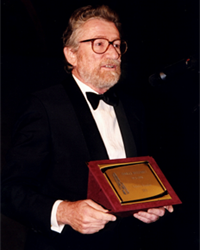 When awarded, Professor Federico MAZZOLANI was Director of the “Institute of Technique of Construction” at the Engineering Faculty of Naples, Italy. Born in Milan, in 1938, and graduated in Civil Engineering at the University of Naples, Prof. Federico M. Mazzolani co-operated since 1970 with ECCS, assuming the responsibility of Committee chairmanship. His activity has been characterised by the issue of several fundamental documents, which played a leader role in the development of the European codification at the level of both national codes and Eurocodes.
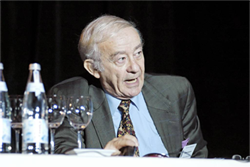 Scientific Manager and Deputy General Manager of the French Technical and Industrial Centre of Steel Construction (CTICM), Professor Jacques BROZZETTI contributed highly to the development of the European Steel Construction. He had a long involvement with various research projects including stability problems, composite construction, fatigue and fire behaviour of steel structures. As a result, he had been involved with many Codes and design guides comprising writing activities. He worked with the profession to promote the steel construction on its various aspects.
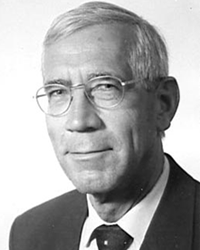 Prof. Jan W.B. STARK, from the University of Delft, The Netherlands, had made substantial contributions to the construction industry in general, and more specifically with regard to steel and composite structures. For many years, he had been an active member of CEN and served ECCS in various committees. The Charles Massonnet Award was presented to him to express our gratitude for his high standard and valuable contribution to the steel construction industry.
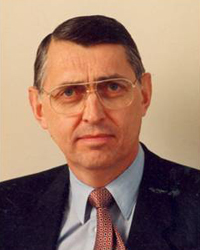 Close collaborator of Professor Charles Massonnet, Professor René MAQUOI, was awarded in recognition of his efforts for the development of steel and composite construction. Indeed, Professor Massonnet was his “master” and conducted his first step in the ECCS activities.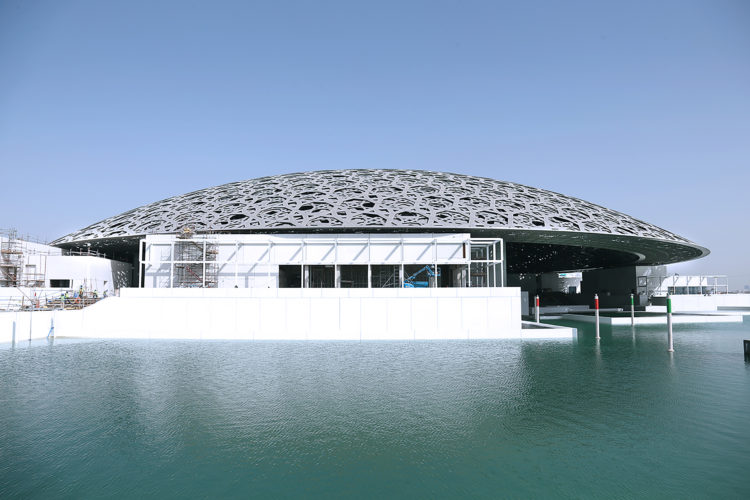
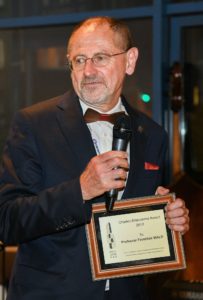 Frantisek Wald concentrates on the connection and fire design of steel structures. He prepared the component model for column bases and the component based finite element model of joints. He works in ECCS Technical Committee 10 - Structural joints and in Project team for preparation of standard - EN 1993-1-8:2020.